This Day in Music History: Aug. 25
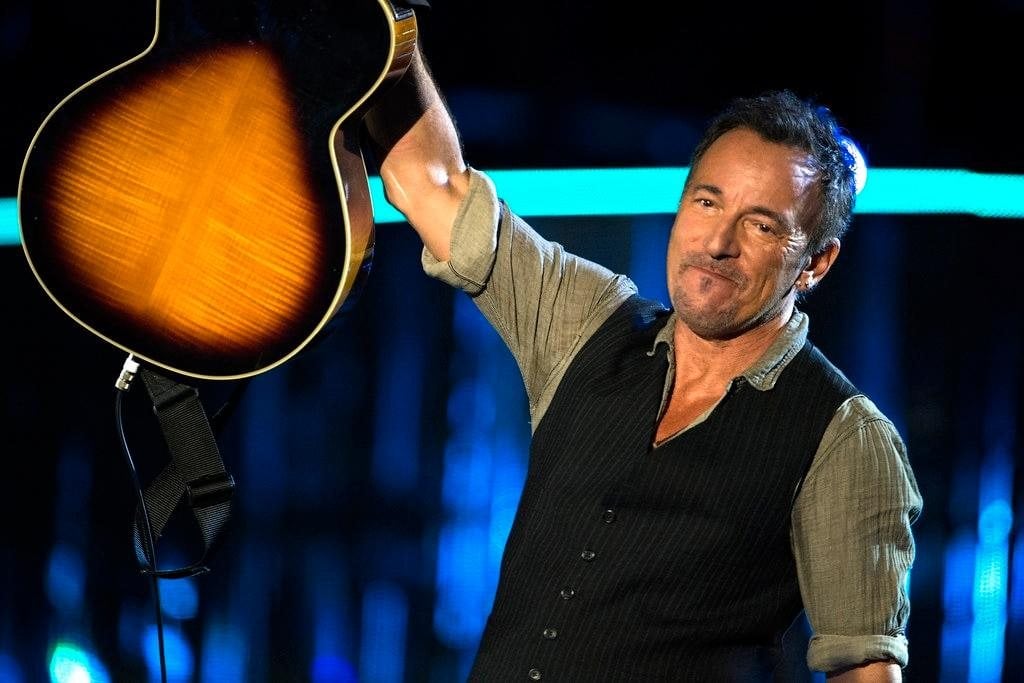
Bruce Springsteen’s Born to Run arrived on Aug. 25, 1975, as the record that changed a talented but commercially uncertain New Jersey songwriter into a major American rock voice. His third album, released by Columbia Records, paired crowded, cinematic arrangements with stories of restless young people seeking a way out. The result gave Springsteen and the E Street Band a defining statement, reached No. 3 on the Billboard 200 and eventually earned a place in the Library of Congress’ National Recording Registry. That lasting recognition makes its release the central music-history moment of this date.
The path to that breakthrough can be traced through several very different Aug. 25 milestones. On this date in 1960, Britain’s Official Singles Chart placed the Shadows’ instrumental “Apache” at No. 1. The group had been known primarily as Cliff Richard’s backing band, but the record put its clean, echoing lead-guitar sound at center stage. With no singer to carry the melody, “Apache” demonstrated how a guitar-driven instrumental could command pop audiences. Its success helped establish the Shadows as stars in their own right and made Hank Marvin’s sound a formative influence on a generation of British guitar players.
Get The Latest News!
Don't miss our top stories and need-to-know news everyday in your inbox.
Two years later, on Aug. 25, 1962, Little Eva’s “The Loco-Motion” topped the U.S. pop chart. Eva Narcissus Boyd had been working for songwriters Gerry Goffin and Carole King when she recorded their dance song. Her performance turned a simple set of movement instructions into a lively pop record built for radio, parties and television. The song’s influence extended well beyond its first chart run: Grand Funk Railroad later took its version to No. 1, and Kylie Minogue made it an international hit again in the 1980s. Few songs better show the durability of the early-1960s songwriting-factory model or the way a dance record can be reinvented by new performers.
On Aug. 25, 1967, the Beach Boys recorded rehearsal material in Honolulu for their proposed live project Lei’d in Hawaii, with Brian Wilson participating in the Hawaii performances. The sessions came during a turbulent period for the group, shortly after the ambitious Smile project had been shelved and Smiley Smile had been released. The planned live album was never completed in its original form, but recordings from the Honolulu dates later surfaced officially. The occasion remains important because it captured the band testing how its increasingly unusual studio-era music could work in a concert setting, while briefly bringing its principal songwriter back into the live ensemble.
Three years later, on Aug. 25, 1970, Elton John made his American debut at the Troubadour in West Hollywood, California. He appeared with drummer Nigel Olsson and bassist Dee Murray before an audience of about 300 people, a modest room for an artist who would soon fill arenas. The performance introduced U.S. listeners and influential music-business figures to John’s forceful piano playing, theatrical stage manner and the songwriting partnership he shared with lyricist Bernie Taupin. The Troubadour appearance became a launching point for a remarkable American run: within the decade, John would become one of pop music’s most successful touring and recording artists.
That same sense of artistic arrival shaped Springsteen’s Born to Run five years later. The album opens with “Thunder Road” and closes with “Jungleland,” framing its eight songs as a long nighttime drive through desire, disappointment and escape. Springsteen, Jon Landau and Mike Appel co-produced the record, while the E Street Band supplied its muscular piano, saxophone and rhythm-section sound. The title song had already introduced Springsteen to a wider audience, but the album made the case that he could sustain a full-scale musical world. Its 2003 selection for the National Recording Registry affirmed its cultural, historical and aesthetic importance.
Aug. 25 also carries a painful place in modern R&B history. On Aug. 25, 2001, singer and actor Aaliyah was killed, along with eight other people, when a Cessna 402B crashed shortly after takeoff from Marsh Harbour in the Bahamas. She was 22 and had just completed work on the video for “Rock the Boat.” Aaliyah had already helped define a sleek, understated approach to 1990s and early-2000s R&B through recordings including One in a Million, her work with Timbaland and Missy Elliott, and the self-titled album released only weeks before her death. Her loss cut short a career that had already bridged music, film and fashion, while her vocal style and adventurous production choices continued to influence later artists.
From the Shadows proving that an instrumental could lead the British charts to Little Eva turning a dance into a standard, from the Beach Boys’ experimental transition to Elton John’s American arrival, Aug. 25 shows how music history often moves through moments of reinvention. Born to Run stands tallest among them: a record made under pressure that transformed its creator’s future and still gives listeners a sweeping picture of youthful ambition in American rock.