
 SPRINGFIELD, Ill. —For 17 Madison County residents, the Problem Solving Court has become a pathway to a new career, offering a full-circle opportunity to help others.
Get The Latest News!
Don't miss our top stories and need-to-know news everyday in your inbox.
Probation officers referred the residents to a behavioral health workforce training program operated by Southern Illinois University School of Medicine’s Center for Rural Health and Social Service Development. They are among 20 adults participating in the nine-month program, which prepares people with lived experience of mental illness or substance use disorder to become peer recovery specialists.
The partnership between SIU Medicine and the Madison County Third Judicial Circuit gives people who have navigated recovery an opportunity to turn that experience into a career helping others.
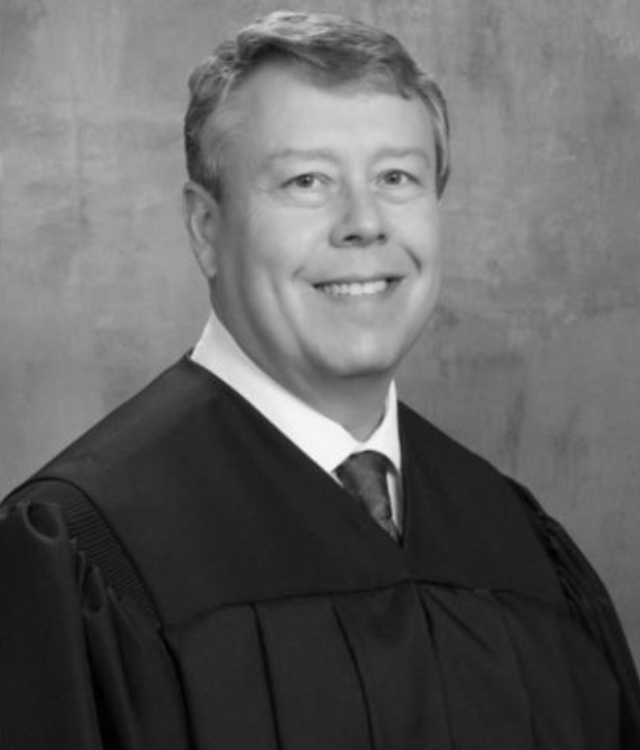
Chief Judge Christopher Threlkeld worked with the Center to establish the referral partnership with Madison County courts.
“By training individuals with lived experience to serve as Certified Recovery Support Specialists, the program expands access to peer recovery support services that promote hope, accountability and long-term recovery,” Threlkeld said. “The engagement and dedication demonstrated by the first class of students reflect the value of this initiative.”
Peer recovery specialists assist people living with mental illness or substance use disorder by drawing on their own experiences. The program provides participants with training and the opportunity to take the Illinois certification exam required to become a Certified Recovery Support Specialist.
“A healthy person means a healthy family and a healthy community,” said Elizabeth Raleigh, program director. “We’re working to better our communities one person at a time.”
The program began Aug. 17 and meets four hours a week. Participants pay nothing for the training and receive a stipend that covers the certification exam fee. The Center has agreements with more than 30 organizations across Illinois where graduates can complete the on-the-job hours required for the credential.
The program is open to adults 18 or older who have a high school diploma or GED. Funding for this program is provided in whole or in part by the Illinois Department of Human Services through the Opioid Training and Technical Assistance Center (OTTAC). Prevention First serves as the coordinating agency for OTTAC, a statewide, capacity-building initiative designed to strengthen the Illinois healthcare and behavioral health workforce.