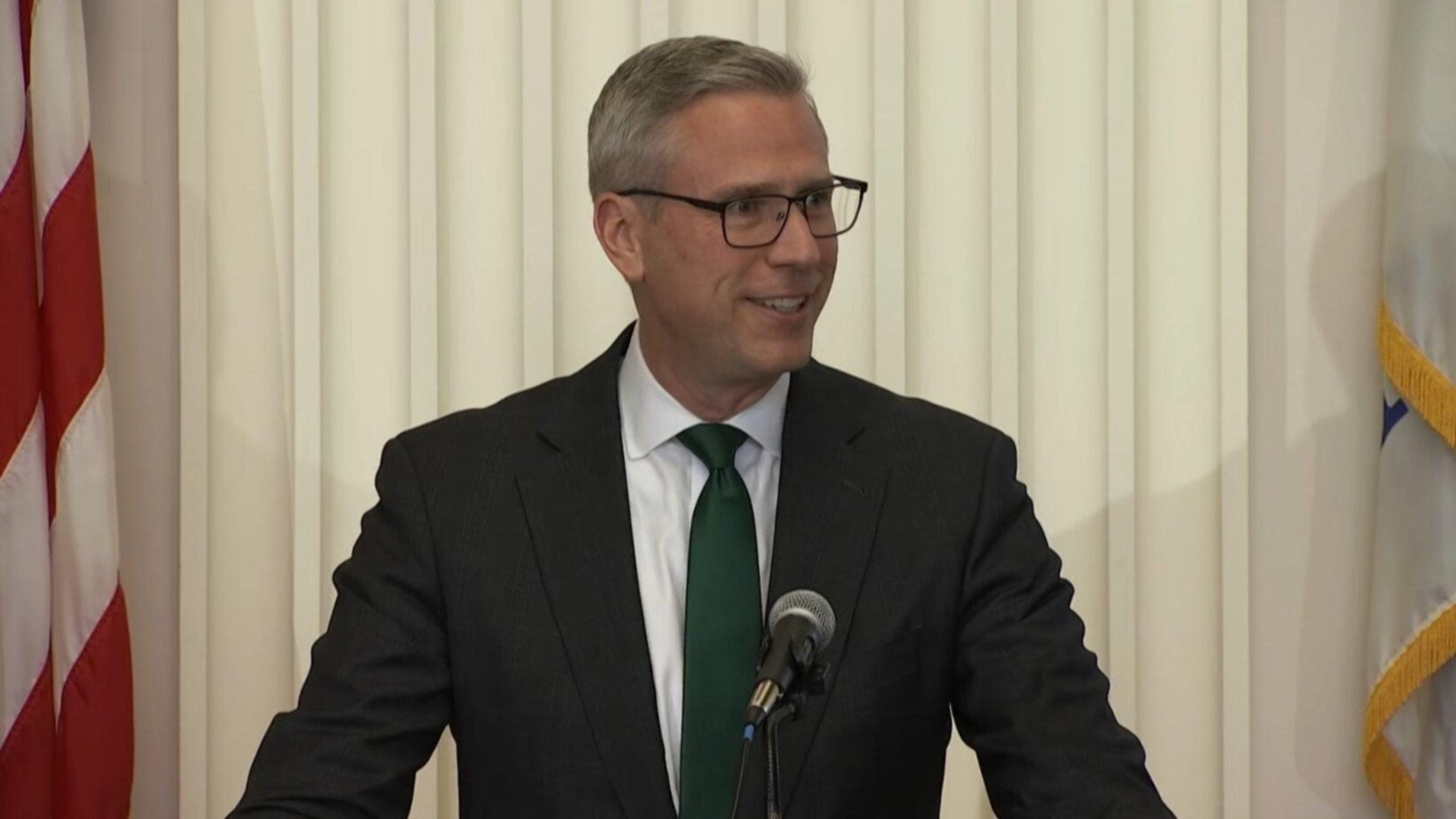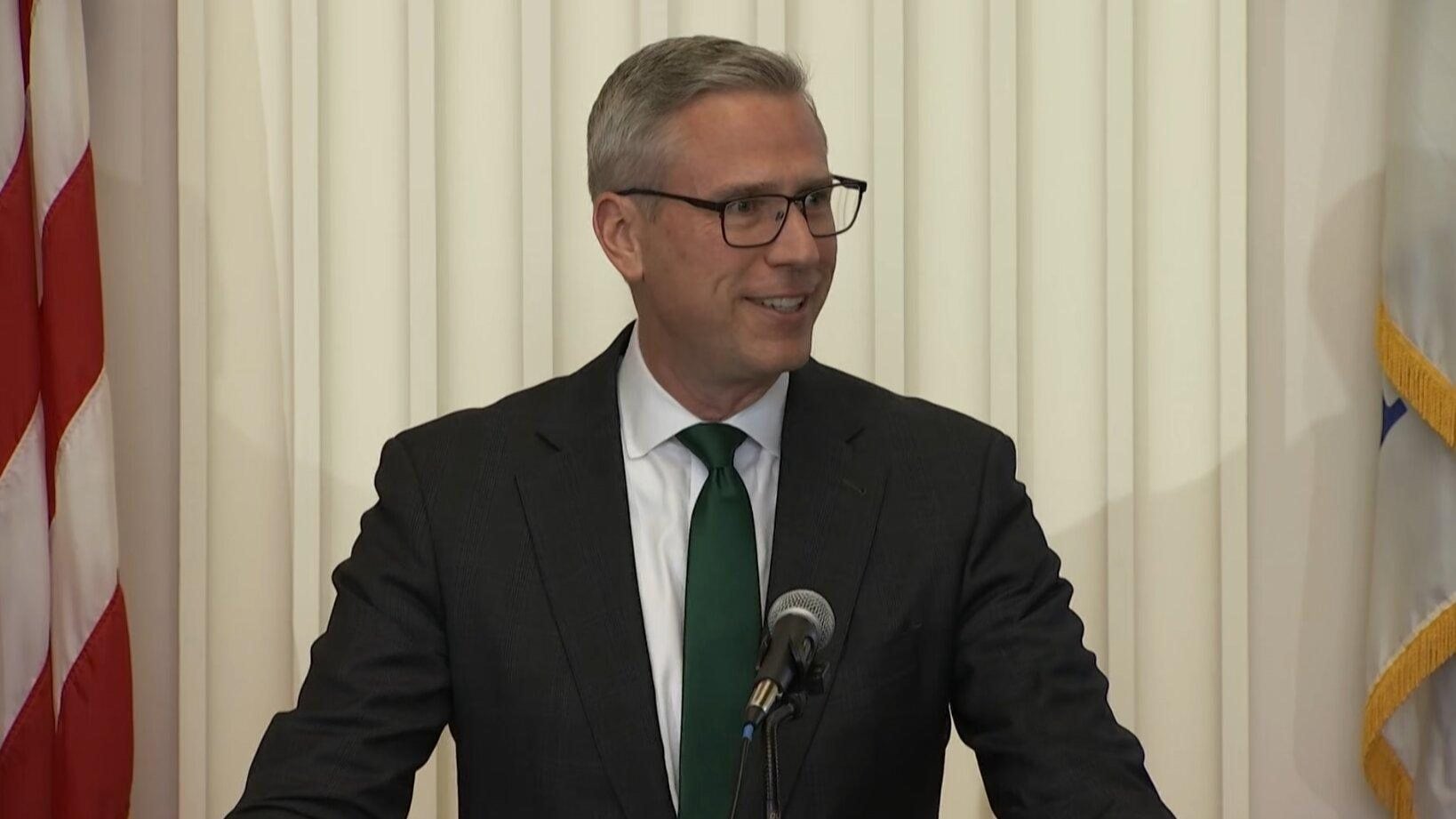
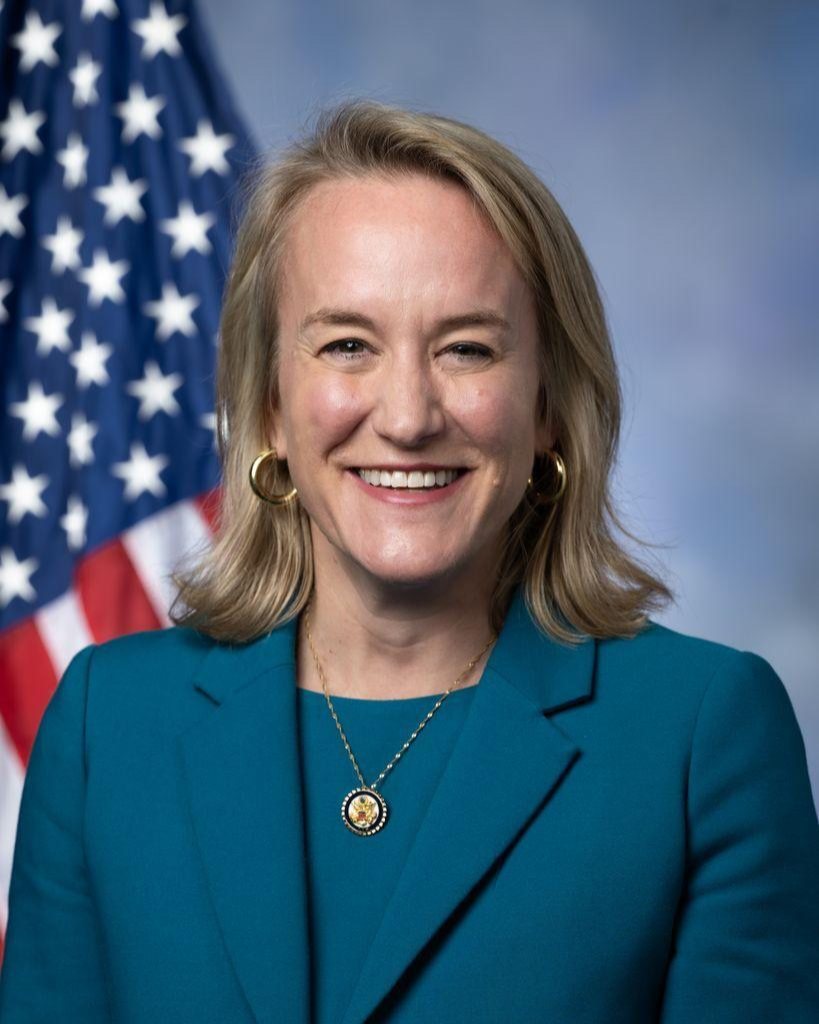
 WASHINGTON, DC — Today, U.S. Representatives Nikki Budzinski (IL-13) and Paul Tonko (NY-21) introduced the Good Energy Jobs Act, legislation that ensures federal investments in America’s energy future create good-paying union jobs, strengthen domestic manufacturing, and deliver meaningful benefits to the communities where projects are built.
The Good Energy Jobs Act would codify labor and community-benefit standards that the Department of Energy (DOE) has used as conditions for certain federal financial assistance, ensuring that taxpayer-supported energy projects provide tangible benefits to American workers and communities.
Get The Latest News!
Don't miss our top stories and need-to-know news everyday in your inbox.
"If we want to build the next generation of American energy infrastructure, we need to empower the union men and women who are going to build it. This legislation ensures that workers are paid family-sustaining wages and have a fair shot at organizing, while also ensuring that projects drive local economic development on the front-end through clear, binding commitments,” said Budzinski. “I’m honored to lead this bill with Congressman Tonko and Ranking Member Heinrich and proud to have the support of so many labor unions who see the impact this bill will have on America's workforce and the communities their members call home.”
“I’ve always believed that investing in people and communities is the surest way to strengthen our economy,” Tonko said. “Our Good Energy Jobs Act takes that principle to heart, building on the successes of our Inflation Reduction Act and Infrastructure Investment and Jobs Act with strong labor standards that create good-paying, union jobs and drive community development. Our legislation envisions a future where the Department of Energy isn’t just an ATM for project developers, but a partner in building a more prosperous economy for everyone. I’m thankful to my colleagues for standing with me to introduce this legislation, and urge Congress to join us in advancing this commonsense bill.”
DOE investments and financial assistance have helped catalyze significant private investment in energy projects across the country, establishing strong labor standards and community benefit plans. The Good Energy Jobs Act would make these standards permanent by codifying labor and community benefit requirements for energy jobs by mandating that DOE financial assistance supports high-quality jobs, broad community benefits, domestic manufacturing, and investments in small and disadvantaged communities.
The Good Energy Jobs Act:
Applies prevailing wage and registered apprenticeships requirements to construction, maintenance, and repair projects that use DOE funding.
Requires community benefit plans that support initiatives like workforce training, local hiring, union partnerships, and direct commitments to nearby communities and residents.
Prohibits offshoring the manufacture of products developed or commercialized using DOE assistance.
Ensures a significant portion of federal energy funding benefits small or disadvantaged communities.
Senator Martin Heirich (D-NM), Ranking Member of the U.S. Senate Energy and Natural Resources Committee, is leading companion legislation in the Senate.
"My dad was an IBEW lineman, and he spent his career helping keep the lights on for our community. His union job gave him the ability to provide for our family, buy a home, and give my siblings and me opportunities that neither of my parents had growing up. That's what a good energy job can do: it doesn’t just power our homes and our economy — it can power the American dream,” said Heinrich. “That’s why, when we invest taxpayer dollars in America’s energy future, those investments should create good-paying jobs, strengthen American manufacturing, and deliver real benefits to the communities where projects are built. My Good Energy Jobs Act builds on what has worked by making sure federal energy investments benefit the workers who build these projects and the communities that host them — not just the companies developing them.”
The Good Energy Jobs Act is endorsed by the International Brotherhood of Electrical Workers (IBEW), the Laborers’ International Union of North America (LIUNA), Industrial Division of the Communications Workers of America (IUE-CWA), United Steelworkers (USW), International Association of Sheet Metal, Air, Rail, and Transportation Workers (SMART), Iron Workers International, International Brotherhood of Teamsters, BlueGreen Alliance, National Wildlife Federation (NWF), League of Conservation Voters (LCV), Sierra Club, and ReImagine Appalachia.
“Too often Washington fails to consider workers when making decisions on how federal dollars are spent. Fortunately, the Good Energy Jobs Act makes clear that the money Congress spends is accountable to the taxpayers. This legislation builds on the legacy begun under the Investing in America agenda by requiring Department of Energy investments to include real enforceable labor standards, like Project Labor Agreements, prevailing wage, and neutrality. These standards ensure that workers who are building our nation’s energy infrastructure can support their families and communities. On behalf of IBEW’s over 900,000 members, I thank Senator Heinrich and Reps. Budzinski and Tonko for standing with working families and introducing the Good Energy Jobs Act,” said Kenneth W. Cooper, President of the IBEW.
"LIUNA is proud to support the Good Jobs Act of 2026. By building on the proven labor standards established under the Inflation Reduction Act, this legislation will help ensure federal energy investments create good, family-sustaining union careers. Project Labor Agreements, registered apprenticeships, and prevailing wages strengthen our workforce, our industry, and the communities where these projects are built. We thank Senator Heinrich and Reps. Budzinski and Tonko for their leadership and steadfast commitment to America’s working families,” said Brent Booker, General President of LIUNA.
“The transition to clean energy offers an opportunity to strengthen our communities, build a domestic manufacturing supply chain, and create good union jobs supporting families across the United States. But we cannot reach this goal if green energy manufacturing depends on foreign production or if workers face union-busting and poor job conditions,” said Carl Kennebrew, President of the IUE-CWA. We appreciate Senator Heinrich and Representatives Tonko and Budzinski for taking a positive step with their 'Good Energy Jobs Act of 2026' which ensures clean-energy investments lead to good union jobs, stronger local communities, and true Made-in-America green energy.”
“As a nation, we should ensure that whenever possible, our tax dollars go toward creating good-paying, family supporting jobs, especially the billions of dollars in taxpayer support the Department of Energy provides companies across the country. Our union proudly supports the Good Energy Jobs Act, which builds on existing labor standards and community benefit agreements to improve the lives and communities of the workers who power America,” said Roxanne Brown, President of the USW.
“The Good Energy Jobs Act provides crucial support to create a skilled workforce and an engaged community.” said Jason Walsh, Executive Director of BlueGreen Alliance. “Community support and workforce development are fundamental to a high-quality and efficient build out of our grid. This bill is exactly the kind of legislation our nation needs to get more energy projects done while demand is at an all-time high.”
“The Good Energy Jobs Act would require that federal clean energy spending creates meaningful protections for workers and tangible benefits for communities,” said Shannon Heyck-Williams, Associate Vice President of Climate and Energy at NWF. “We need to quickly return to building our clean energy future for people and wildlife, and we need to make sure these investments benefit the people who are building the projects and those who are living with them.”
“LCV is proud to support Rep. Tonko, Rep. Budzinski, and Sen. Heinrich’s Good Energy Jobs Act because federal investments into clean, affordable energy infrastructure should provide high-quality jobs and meaningful benefits to communities hosting these projects. This bill ensures that public dollars go towards building good, family-supporting jobs and strengthening domestic manufacturing. Thank you, Rep. Tonko, Rep. Budzinski, and Sen. Heinrich for introducing legislation that ensures clean, affordable energy keeps delivering myriad benefits to communities, including reducing emissions and costs for ratepayers, creating jobs, strengthening domestic manufacturing, and driving investments across the country,” said Matthew Davis, Vice President of Federal Policy at the LCV.
Additionally, North America’s Building Trades Unions (NABTU), California Forward, and Data for Progress support the bill.
“At a time where our nation is experiencing unprecedented energy demand, the Good Energy Jobs Act is a huge step in the right direction towards ensuring that the working men and women who build our communities are protected and supported by the federal government. The proposals in this legislation will aid in constructing projects in a timely and safe manner all while benefitting local communities,” said Sean McGarvey, President of NABTU.
“We are in a moment where diversifying our economy to build energy sources beyond fossil fuels is critical to our security, competitiveness, and fiscal stability. By attaching labor and community standards to public dollars, the Good Energy Jobs Act ensures that new clean energy projects will be built faster, better, and with strong and tangible benefits for the places in which they are sited. That's not just good for these projects today; it's good for Americans long into the future,” said Kate Gordon, CEO of California Forward.
“We see consistently in our polling that voters don’t just want clean energy development — they want clean energy development that will actually benefit their communities,” said Ryan O’Donnell, Executive Director of Data for Progress. “Wage standards, community benefits, and the right to unionize are all popular requirements that build local buy-in while helping address the cost-of-living crisis facing Americans right now.”
A fact sheet of the bill is here.
A section-by-section summary of the bill is here.
The full text of the bill is here.