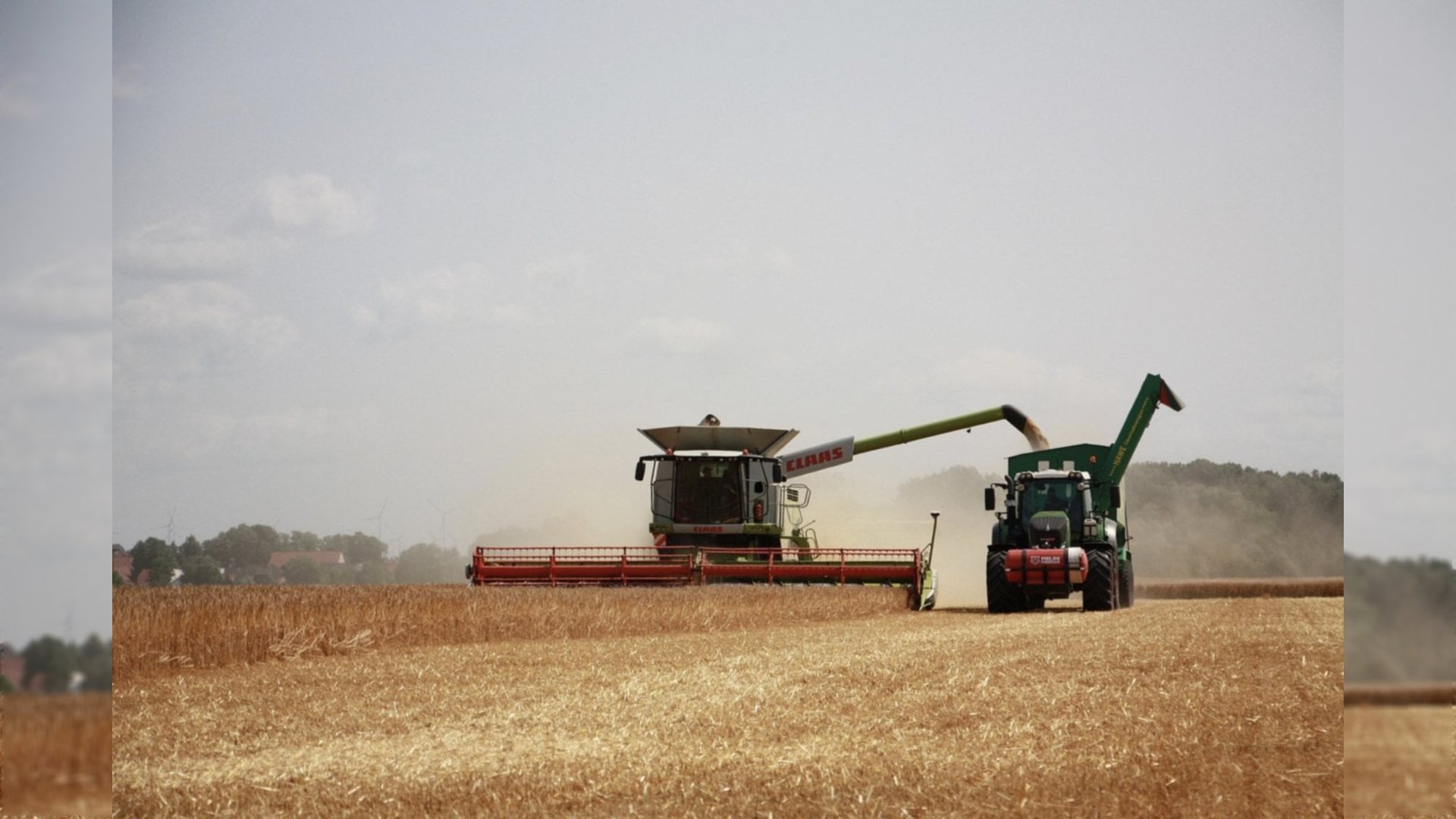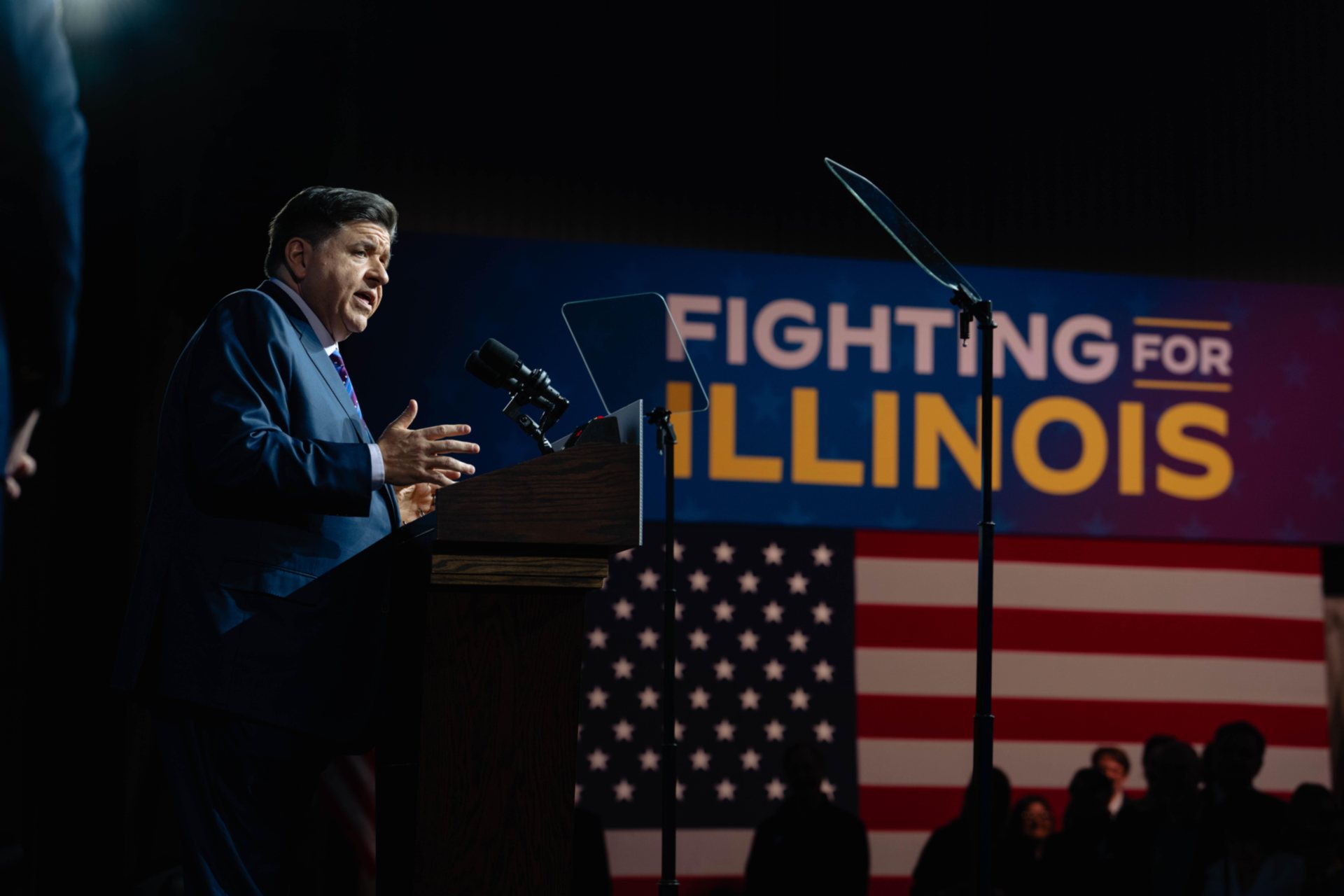
 CHICAGO – Today, Governor JB Pritzker issued a state disaster proclamation and signed Executive Order 2026-08 to provide relief on diesel fuel costs for the agriculture industry during the fall harvest season as part of his continued efforts to support Illinois farmers.
The executive order directs the Illinois Department of Revenue (IDOR) and the Illinois State Police (ISP) to allow on-road use of dyed diesel typically used for agricultural purposes. The Executive Order also directs state agencies to consider additional protections for farmers and gives the state greater flexibility to respond to continued disruptions in fuel markets and the agricultural economy.
Get The Latest News!
Don't miss our top stories and need-to-know news everyday in your inbox.
“Donald Trump’s disastrous tariffs and war of choice in Iran is costing Illinois farmers their livelihoods. As the backbone of our economy and the lifeblood of our communities, our farmers deserve all the support we can give,” said Governor JB Pritzker. “This executive order is providing real relief from skyrocketing diesel prices, leveling the playing field, and ensuring our farmers can compete and make a living.”
“Today’s action by Governor Pritzker provides immediate relief for Illinois farmers. Diesel prices disproportionately impact every single element of agriculture, from running machinery to drying grain to transporting commodities,” said Illinois Department of Agriculture Director Jerry Costello II. “I thank the Governor for doing everything he can to ease the burden of the significant expense of transportation costs during harvest.”
“The Trump Administration’s needless war abroad is driving up costs at home, especially for farmers across Central and Southern Illinois who rely on low-cost diesel,” said Congresswoman Nikki Budzinski (IL-13). “This is all while tariff uncertainty threatens their markets and livelihoods. In my conversations with Illinois Soybean and Corn growers, one thing is clear — farmers need immediate relief. I’m glad Governor Pritzker is taking action first to lower diesel prices, despite this administration's best efforts to continue to wreak havoc on the farm economy.”
“Illinois farmers are already paying more to grow their crops, and now diesel is getting more expensive, too,” said State Senator Mike Halpin (D-Rock Island). “Nobody should pour their sweat into the land only to lose money on it. This diesel relief gives farmers a real chance to come out ahead, and that's exactly what they've earned.”
“For the past year, we’ve watched diesel and gas prices skyrocket, harming millions of families across the country,” said State Rep. Gregg Johnson (D-Rock Island). “One community that has been hit especially hard is our local farmers, and as they work through the harvest season, it’s paramount we provide real financial relief. That’s why Governor Pritzker’s announcement that he’s using emergency powers to allow farmers to use ‘red-dye diesel’ to drive on highways for transport is so important, because it’s going to lower prices.”
“The average federal cost of diesel has increased 67.8% in the last 12 months,” said State Rep. Sharon Chung (D-Bloomington). “Allowing farmers to use dyed diesel on highways is a short-term state solution as we work to remedy the larger diesel shortage and price hike the federal government is causing. I'm grateful to Governor Pritzker for advocating and acting fast to offer financial relief to farmers during harvest season.”
“Farmers are already dealing with tight margins, and a sudden spike in diesel prices during harvest season only adds to those pressures,” said State Senator Dave Koehler (D-Peoria). “Giving farmers greater flexibility to use the fuel they already rely on and move heavier loads during harvest is a practical way we can help lower costs and keep Illinois agriculture moving during this period of uncertainty.”
“Illinois farmers are seeing firsthand the impact of rising fuel costs,” said State Senator Doris Turner (D-Springfield). “Diesel is essential to nearly every part of farming, from planting and harvesting to transporting crops. This will provide relief to our farmers who keep our economy and food supply strong.”
The executive order comes as the Trump Administration scrambles to make a dent in the disastrous impact of its war in Iran and disastrous economic policies. As a result of these policies, states are being forced to step in as costs for equipment, fertilizer, fuel, and other critical inputs continue to rise while disrupting markets for American producers. Providing temporary relief from diesel costs can give farmers much-needed breathing room during harvest, but states cannot solve the underlying problem alone.
Providing Relief for Illinois Farmers
The Governor’s disaster proclamation declares all 102 Illinois counties disaster areas for 30 days and activates emergency authorities under the Illinois Emergency Management Agency Act, allowing the State to deploy additional resources and respond to the diesel fuel crisis.
The accompanying executive order directs state agencies to take immediate steps to reduce pressure on farmers during harvest season, including:
- Providing temporary relief for agricultural use of dyed diesel on Illinois roadways. IDOR and ISP have been directed not to impose state penalties when dyed diesel fuel from bulk storage is sold or used on highways and state roads for farming and agricultural purposes through December 31, 2026. IDOR will issue guidance outlining qualifying uses and documentation requirements.
- Preparing for continued pressure beyond the fall harvest. Illinois Department of Transportation (IDOT) is directed to consider extending the Illinois Harvest Permit (IHP) program into the winter, spring, or summer of 2027 if diesel shortages and elevated costs persist. The program allows heavier truck weights on specified routes, helping agricultural producers transport goods more efficiently.
- Mobilizing state government. The disaster proclamation directs state agencies, including IDOR, ISP, and IDOT, to evaluate and implement additional measures to address diesel shortages and elevated costs and activates the Governor’s authority to coordinate state personnel and resources as necessary.
Trump Tariffs & War Drive Up Costs Across Illinois Agriculture Industry
Illinois is the third-largest agricultural exporting state in the country, exporting $11.1 billion in agricultural products in 2024. This included $4.0 billion in soybeans, the most of any state, and $2.1 billion in corn, second-most nationally. That reliance on global markets leaves Illinois farmers particularly exposed to trade disruptions and retaliatory tariffs.
Nearly a year after Governor Pritzker took executive action responding to the damage tariffs and collapsing export markets were inflicting on Illinois agriculture, the State is once again being forced to step in. The need for yet another executive order underscores how deeply these longstanding trade policies have strained the farm economy, leaving Illinois producers more vulnerable as they now confront record diesel prices and rising input costs.
Governor Pritzker has consistently found ways to protect Illinois farmers, agricultural businesses, and rural communities from economic uncertainty created by federal policy and disruptions to global markets.
These efforts include:
Taking Executive Action
- Issued an Executive Order declaring an Agricultural Export Crisis, directing state agencies to expand domestic markets for Illinois agricultural commodities and strengthen resources for farm families in response to the impacts of tariffs and declining export demand.
- Issued an Executive Order directing state agencies to assess the impact of federal tariffs on Illinois agriculture and other key sectors and identify ways to mitigate rising costs and supply chain disruptions.
Expanding Markets
- Signed a first-of-its-kind agreement with Indonesia to expand markets for Illinois soybeans, strengthening agricultural trade with one of Southeast Asia’s largest economies as farmers face declining demand from traditional markets.
- Led a trade mission to Mexico and strengthened Illinois’ economic partnership with one of the state’s largest agricultural trading partners, including an agriculture roundtable focused on expanding trade and creating new opportunities for Illinois producers.
- Pushed to expand year-round E15 sales, which would strengthen domestic demand for Illinois corn and provide farmers with a more stable market as tariffs disrupt export opportunities.
Pushing the Federal Government to Do More
- Called on the Trump Administration to suspend federal import taxes on critical nitrogen fertilizers and extend relief on phosphate fertilizer imports as farmers faced sharply rising input costs.
- Urged Congress to permanently authorize year-round E15 sales, providing long-term market certainty and increasing domestic demand for Illinois corn.
- Joined governors from across the country in urging Congress to end the Trump administration’s tariffs and called on congressional leaders to pass the Tariff Refund Act of 2026 to return unlawfully collected tariffs to American families and businesses, while restoring congressional oversight of federal trade policy.
The Pritzker administration will continue working with farmers, producers, agricultural organizations, and state agencies to monitor conditions, provide available relief, and protect Illinois’ agricultural economy from continued economic disruption.
Read the full executive order and disaster proclamation here:
Executive Order 2026-08.pdf
Gubernatorial Disaster Proclamation (Diesel Fuel Crisis) - October 6, 2026.pdf