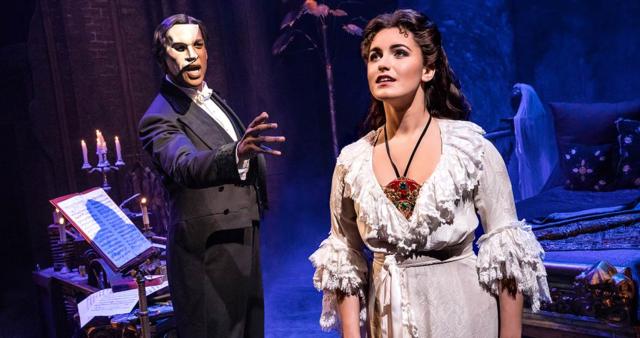
A masked figure and a sweeping score began an extraordinary journey on Oct. 9, 1986, when Andrew Lloyd Webber’s “The Phantom of the Opera” premiered at Her Majesty’s Theatre in London. The production would become Broadway’s longest-running show, demonstrating how a musical’s songs, characters and theatrical spectacle could sustain an international audience for decades. Forty years later, that opening stands among Oct. 9’s most consequential musical milestones. The date also connects landmark recordings, a living memorial and a hip-hop breakthrough.
Get The Latest News!
Don't miss our top stories and need-to-know news everyday in your inbox.
The earlier story begins on Oct. 9, 1961, when Ray Charles’ “Hit the Road Jack” reached No. 1 on Billboard’s Hot 100. Written by rhythm-and-blues songwriter Percy Mayfield, the record became Charles’ second chart-topping pop single and held the position for two weeks. Its success brought a compact, rhythm-driven performance to the center of American popular music, without asking Charles to abandon the musical language that made him distinctive.
The recording’s appeal rests on its economy: a memorable refrain, a firm rhythmic pulse and an argument delivered through music. Charles turns the rejected lover’s predicament into a performance that is playful without losing its bite. The song also received industry recognition beyond the pop charts, winning the Grammy for best rhythm & blues recording at the 1962 awards. That combination of commercial success and recognition within R&B makes the milestone more than a passing change at the top of a chart.
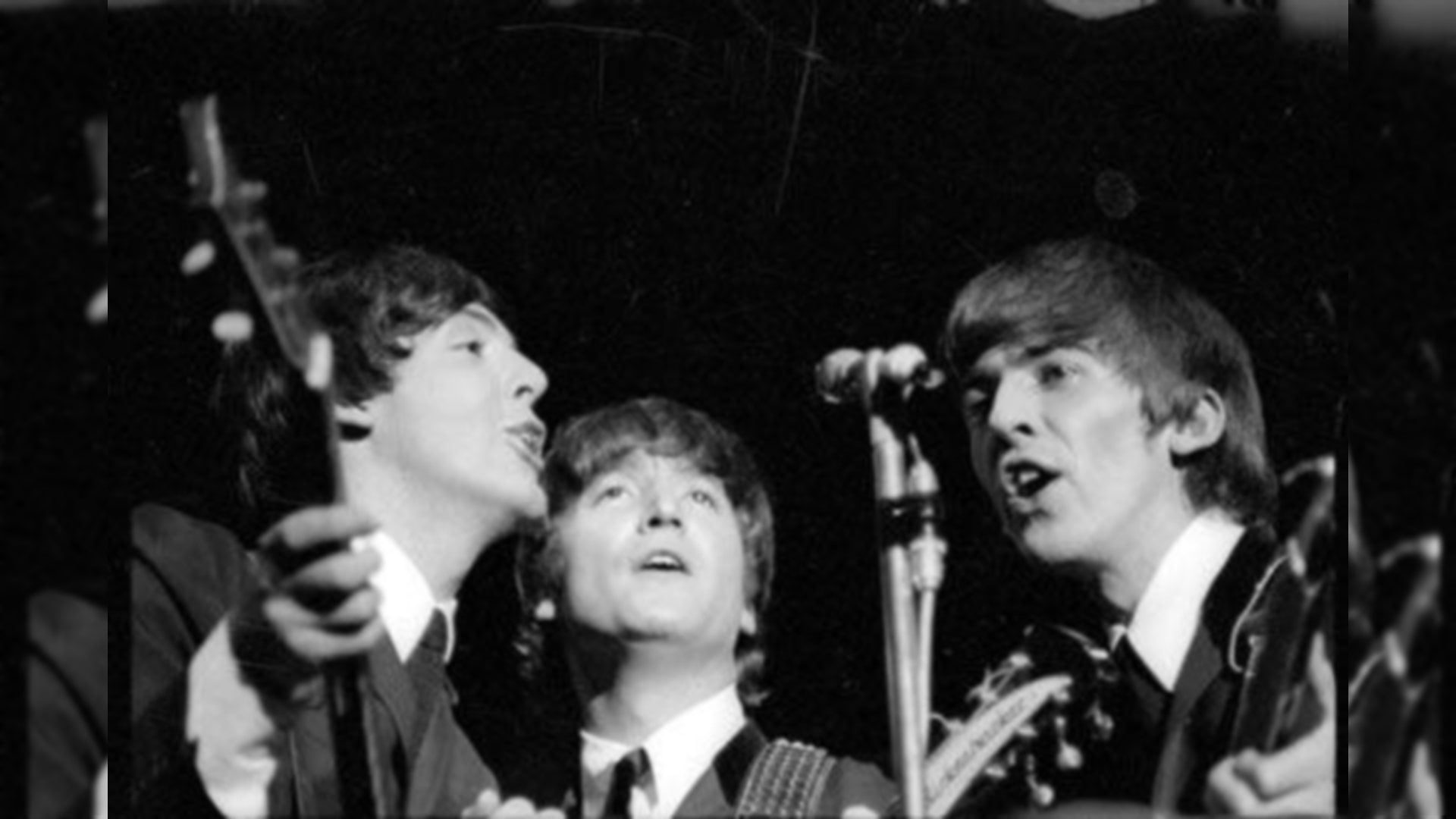
Four years later, another unusually economical recording reached the same summit. On the Billboard chart dated Oct. 9, 1965, the Beatles’ “Yesterday” began a four-week run at No. 1. Rather than relying on the group’s familiar instrumental lineup, the recording centered on Paul McCartney’s voice and acoustic guitar, with a string quartet added to the arrangement. It was the first Beatles single to top the charts without all four members performing on it.
The change was important because the record expanded what a Beatles song could sound like. Two violins, a viola and a cello supported a restrained vocal instead of competing with it. The song’s success showed that the group’s audience could follow its music beyond the sound of a conventional rock band. In the Beatles’ own account of their recording history, the quartet is identified as an innovative part of a song whose lasting strength also rested on McCartney’s melody and lyric.
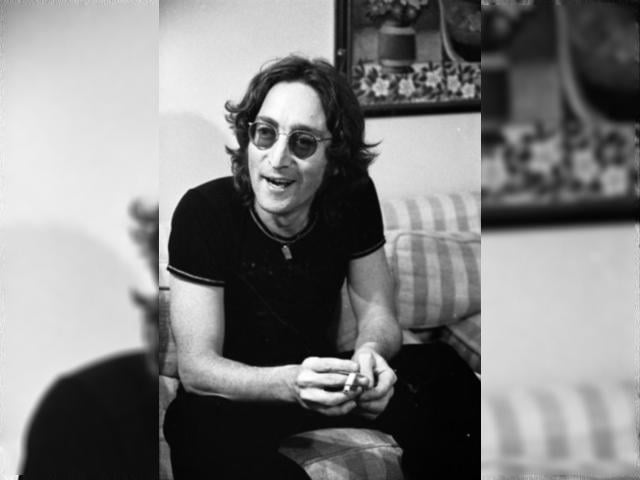
On Oct. 9, 1985, music history took physical form in New York’s Central Park with the dedication of Strawberry Fields. The memorial honored John Lennon on what would have been his 45th birthday. Its name came from “Strawberry Fields Forever,” the song Lennon wrote and performed with the Beatles. Across from the Dakota building, where Lennon and Yoko Ono lived, the landscape offered an alternative to a traditional commemorative statue.
Ono worked with the Central Park Conservancy and landscape architect Bruce Kelly to develop the site as a place of peace and reflection. Countries contributed plants and stones, while Naples, Italy, donated the pavement mosaic bearing the word “Imagine.” The result connected Lennon’s musical legacy with Ono’s artistic vision: a public space where remembrance could happen through gathering, contemplation and a changing landscape, rather than through a single sculpted likeness.
Exactly one year later came the London premiere of “The Phantom of the Opera,” with Michael Crawford as the Phantom and Sarah Brightman as Christine. Director Hal Prince, designer Maria Björnson and choreographer Gillian Lynne helped shape the production around Lloyd Webber’s score. Songs including “The Music of the Night,” “All I Ask of You” and “Wishing You Were Somehow Here Again” gave its theatrical world a musical identity that audiences could carry beyond the theater.
The production made its Broadway debut at the Majestic Theatre on Jan. 26, 1988. When that run closed in April 2023, it had lasted 35 years and reached 13,981 performances. The significance of the original Oct. 9 opening lies in that remarkable endurance: an individual premiere became the starting point for one of musical theater’s defining international successes.
On the Billboard album chart dated Oct. 9, 1993, Nirvana’s “In Utero” debuted at No. 1. The band’s third and ultimately final studio album followed its mainstream breakthrough with “Nevermind,” but pursued a more abrasive, natural sound through recording with Steve Albini. Its chart-topping arrival showed that the audience for Nirvana extended beyond the particular production style of its earlier hit album. “In Utero” made artistic resistance part of a major commercial release, rather than leaving it confined to the underground.
The date’s later milestones include the Oct. 9, 2012, release of Macklemore & Ryan Lewis’ debut full-length album, “The Heist.” The Seattle rapper-and-producer team assembled a record that included “Thrift Shop,” “Can’t Hold Us” and “Same Love.” Its reach eventually carried the duo to four wins at the 2014 Grammy Awards: best new artist, best rap album, and best rap song and performance for “Thrift Shop,” featuring Wanz. From Charles’ concise R&B hit to this expansive hip-hop introduction, Oct. 9 offers several examples of distinctive musical ideas finding a broad public.