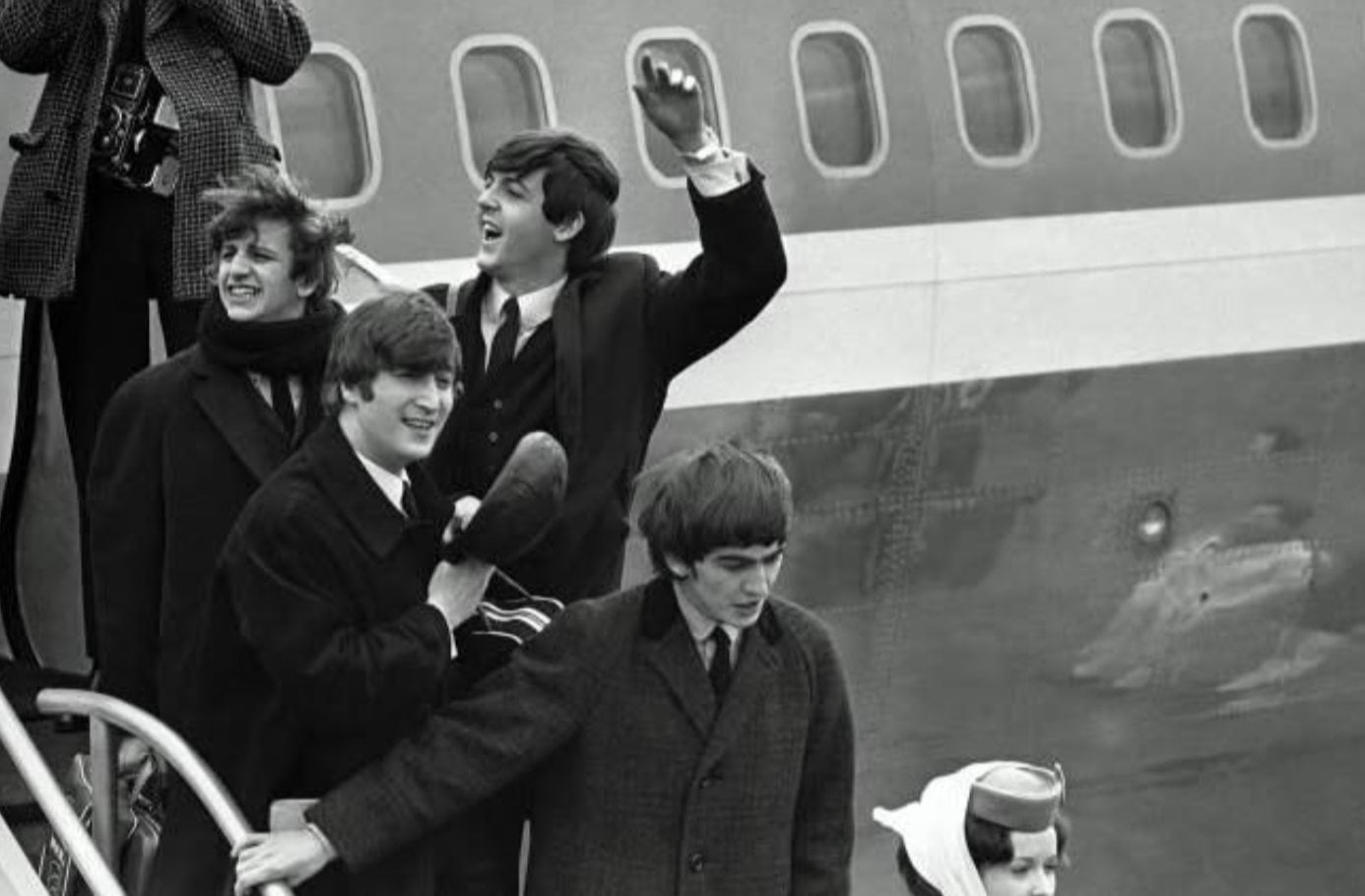

A short walk through Liverpool helped change popular music on Nov. 9, 1961. Brian Epstein, who ran the NEMS record store, visited the Cavern Club with his assistant, Alistair Taylor, to watch the Beatles perform. The lunchtime appearance brought the group together with its future manager, setting in motion a partnership that would carry a local attraction toward international fame. Sixty-five years later, the encounter remains the most consequential turning point associated with this date.
Get The Latest News!
Don't miss our top stories and need-to-know news everyday in your inbox.
Epstein was not finding an unknown group in an empty room. The Beatles already had an enthusiastic local following, and their performances combined forceful music, humor and direct exchanges with the audience. What Epstein recognized was the possibility of taking that appeal beyond Liverpool. Over the following weeks, he moved toward managing the band and began the difficult work of finding a recording company willing to sign it.
The distinction matters: Nov. 9 was the beginning of a relationship, not an overnight transformation. The Beatles supplied the music and stage presence; Epstein brought business ambition and a belief that their regional success could travel. Their subsequent rise also made the Cavern an international destination, tying a small Liverpool club permanently to the story of modern popular music.
Twelve years later, on Nov. 9, 1973, Billy Joel released “Piano Man,” his second studio album. It supplied the signature song that helped move him from Los Angeles lounge work toward a national audience. The album became his first to reach the American Top 40, eventually peaking at No. 27, while the title song reached No. 25 on the Billboard Hot 100. Those achievements marked a breakthrough rather than the arrival of an already established star.
The title track made a barroom gathering the setting for a story about disappointment, companionship and the temporary relief music can provide. Its characters gave listeners more than a singer at a keyboard: They offered a small community with intersecting hopes. Alongside “Captain Jack” and “The Ballad of Billy the Kid,” the song demonstrated the storytelling range that helped establish Joel’s public identity. “Piano Man” turned an ordinary performing job into the foundation of an enduring musical persona.
Nov. 9, 1993, brought an unusually rich collection of releases, including two sharply different landmarks in New York hip-hop. A Tribe Called Quest issued its third album, “Midnight Marauders,” with Q-Tip, Phife Dawg and Ali Shaheed Muhammad building on the group’s blend of rhythmic precision and musical warmth. “Award Tour,” “Electric Relaxation” and “Oh My God” helped define a record that balanced accessible hooks with intricate production and distinctive personalities.
The album drew on jazz, funk and soul without softening its hard-hitting drums. That combination offered a model for rap that could be relaxed in delivery and demanding in construction. Its importance extended beyond hip-hop: The Rock & Roll Hall of Fame identifies “Midnight Marauders” and its predecessor, “The Low End Theory,” as influential recordings for later soul, rap and jazz artists.
That same day, Wu-Tang Clan released its debut, “Enter the Wu-Tang (36 Chambers).” Where Tribe cultivated a smooth musical setting, Wu-Tang presented a rougher sonic world. RZA’s production, martial-arts film samples and the members’ contrasting voices created an atmosphere that was immediately recognizable. Songs including “Protect Ya Neck” and “C.R.E.A.M.” introduced a collective whose identity was built from individual styles rather than a single lead performer.
The group’s business arrangement was significant, too. Its contract with Loud Records preserved members’ ability to pursue solo deals with other labels, allowing the collective and individual careers to develop together. The Library of Congress later recognized the debut in its National Recording Registry, citing its role in shaping hardcore rap and reaffirming the creative strength of the East Coast scene.
Also on Nov. 9, 1993, Dave Matthews Band released “Remember Two Things” through its own Bama Rags label. Built largely from club performances, the record introduced listeners to a lineup that paired Matthews’ voice and guitar with drums, bass, saxophone and violin. “Ants Marching,” “Tripping Billies” and “Recently” captured the group’s live energy before a major-label debut expanded its audience.
The independent release became a word-of-mouth success. “Under the Table and Dreaming” followed in 1994, but “Remember Two Things” documented the band’s sound before that larger commercial platform. Its platinum certification in 2002 underscored the staying power of a recording rooted in smaller venues rather than a major-label launch.
On Nov. 9, 1999, Prince released “Rave Un2 the Joy Fantastic,” joining forces with Arista Records while still recording under his unpronounceable symbol. Guests included Sheryl Crow, Gwen Stefani, Ani DiFranco and Chuck D. The project paired a traditional record-label campaign with sales through Prince’s own websites, illustrating his interest in reaching listeners through more than one route. It was his only album for Arista and a telling example of an artist exploring digital distribution alongside the established music business.