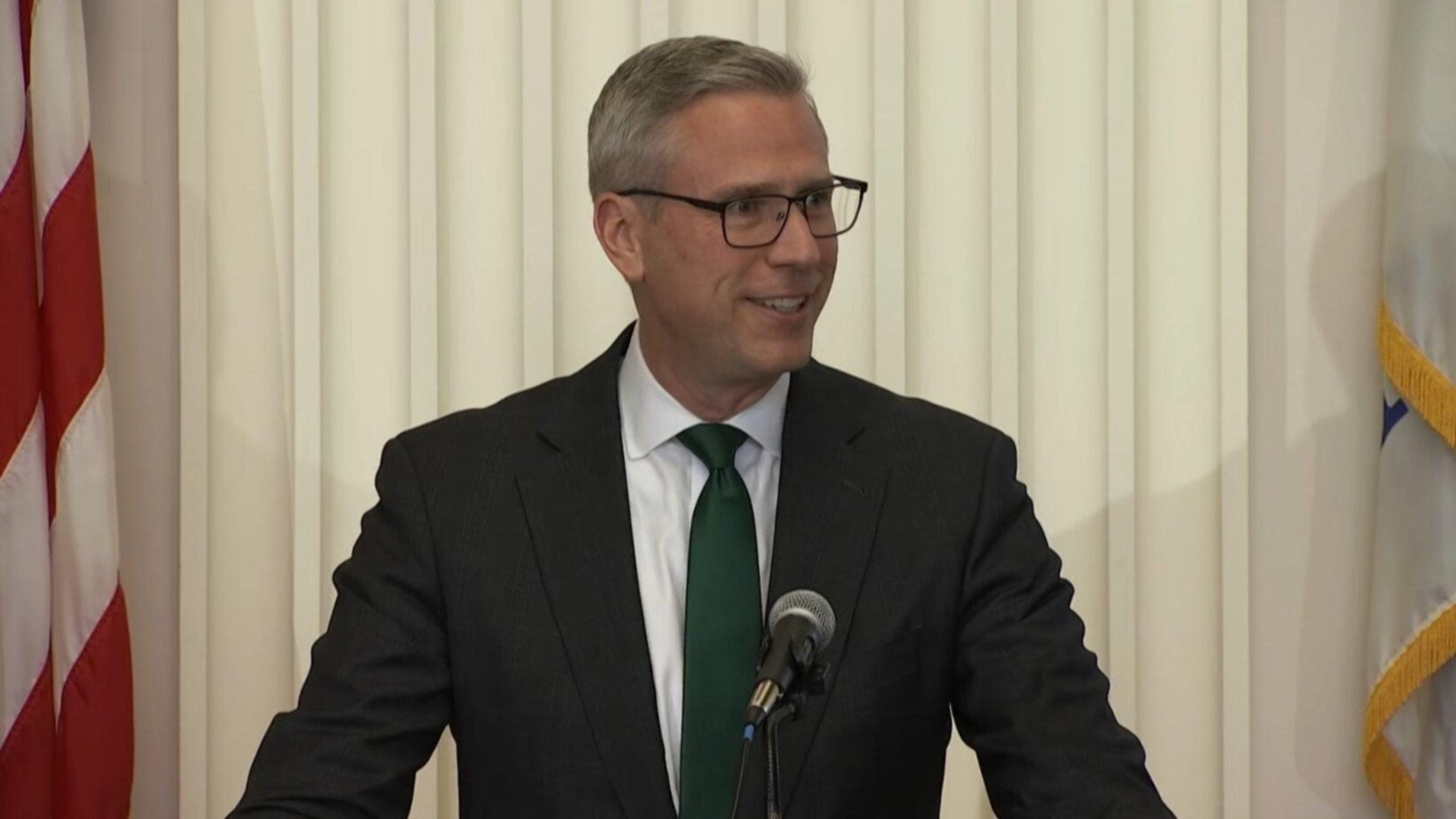

City of Alton - Committee of the Whole Meeting

Get The Latest News!
Don't miss our top stories and need-to-know news everyday in your inbox.
ALTON – Alton city officials received an update on the city’s comprehensive planning efforts last night after a well-attended community workshop was held last week to gather input from residents.
Adam Jones with Stantec Consulting Services gave Alton Committee of the Whole members a presentation on the city’s “existing conditions” regarding demographics, zoning, and other trends observed over the past 10 years.
Jones said this marks the “first phase” of the project since Alton hired Stantec three months ago to update its Comprehensive Plan – a document which aims to guide the city’s growth and development for the next 20 years and keep it competitive among other local cities.
Jones said he expects the new Comprehensive Plan to be complete by next year. In the meantime, Stantec plans to host more “vision and goal-setting events” to gather public input in the future and will soon publish the results of the first Comprehensive Plan Workshop. He spoke highly of the large turnout of over 150 community members who attended the first event and were deeply engaged and clearly invested in the future of Alton.
A “Snapshot” Of Current-Day Alton
A series of trends have shifted and defined the demographic makeup of Alton over the past decade. The presentation from Jones offered a “snapshot of the City of Alton if we were to look at it as of today.”
He said the city’s population has been declining since 1980, but that decline has started slowing in recent years. Despite population growth slowing overall, he said the “household count” in Alton has held steady, an indication the city’s population is “changing in form and size, not vanishing altogether.”
Alton’s zoning has also evolved over the past 15 years, seeing a growth in enterprise zones and business districts, though the city remains dominated by mostly single-family residential zoning. Jones said this shows a disconnect between the city’s current zoning and the modern needs of residents as neighborhoods on Brown, Clawson, and Main Streets shift towards multi-family units and attached housing.
“Alton’s demographic challenge is less about decline and more about adapting to a changing mix of residents and life stages,” Jones said.
Age And Diversity Drive Housing Demand
Alton’s diversity has long helped it stand out among other communities in the St. Louis region, but Jones said that diversity is slipping – especially among the city’s Black residents. This trend is being driven by a number of factors, including gaps between local wages and the cost of living as Alton largely fails to meet residents’ need for affordable housing.
“Alton’s demographic future is probably going to depend on expanding housing options in the future, including affordability,” Jones said. “Without more attainable units, more affordable units, Alton is going to risk losing the very households that have shaped your cultural and economic identity over the past 25 years.”
Alton has more 18-to-30-year-old residents than many surrounding communities, but it also has a substantial population of aging Baby Boomers. This duality is driving a demand for not only smaller, more accessible homes for seniors, but also more affordable “starter housing” for first-time home buyers and young families. While Alton produces plenty of youth talent, it struggles to retain that talent as the gap between costs and wages, combined with the lack of suitable housing, causes young graduates and other professionals to seek job opportunities elsewhere.
Despite the clear demand, Jones said construction of new housing in Alton has slowed dramatically over the years, with only six new housing units being built each year since the Great Recession of 2008. Retail development has continued at a “modest” pace, which he said reflects the city’s slowing population growth.
“Alton isn’t overbuilt, its under-built for the kinds of homes people need now,” Jones said. “Revitalization, not sprawl, will define the next wave of growth within the city.”
Looking Ahead At Key Areas
To help reverse these negative population trends, Jones suggested the city place a renewed focus on key areas of transportation, parks and trails, and the city’s natural environmental features as the comprehensive planning process continues. He also noted a resurgence in the city’s hospitality industry in recent years, which now accounts for about 50% of Alton’s overall job sector.
Alton’s current transportation network makes the city well-connected to other communities in the region – but for those living in the city, the car-centric infrastructure of a different era makes walking, biking, or finding reliable transit a challenge.
“Public transit remains essential, particularly for renters and cost-burdened households. Many residents rely on transit to access their employment and educational needs, as well as healthcare,” Jones said. “Frequent, reliable service will help retain those workers in the future.”
Jones also spoke to the importance of parks, seeking to expand their connectivity with local households who are currently “under-served” or unable to easily access a park. Not only would boosting park connectivity increase the mobility patterns of young families around the city, it could also position Alton as a regional destination for outdoor recreation.
As for the city’s environmental features, Jones said the Mississippi River continues to be a defining feature for Alton, both in its identity and as an ongoing challenge. Measures will need to be put in place to mitigate repeated flooding in order to spur future investment downtown, though Jones said Stantec has been working closely with the U.S. Army Corps of Engineers as they develop flood mitigation plans.
Jones also described the city’s 2011 Climate Action Plan, which featured over 200 measures related to sustainability, as “ahead of its time.” He sees updating this plan as critical to guiding the city’s future of multi-modal transportation and protecting Alton’s beloved riverfront.
Overall, despite some troubling trends in the data from recent years, Jones sees plenty of opportunity for Alton to reach its full potential over the next two decades with the help of an updated Comprehensive Plan.
“Alton really isn’t facing a defining problem, it’s facing a set of interrelated pressures that stem from affordability, aging infrastructure, and the need for reinvestment in people and place,” Jones said. “But the data also shows strong foundations – you guys have very strong bones, you have stability, identity, and a community that cares very deeply about its direction in the future.”
A full recording of the Oct. 20, 2025 Alton Committee of the Whole meeting is available at the top of this story or on Riverbender.com/video.