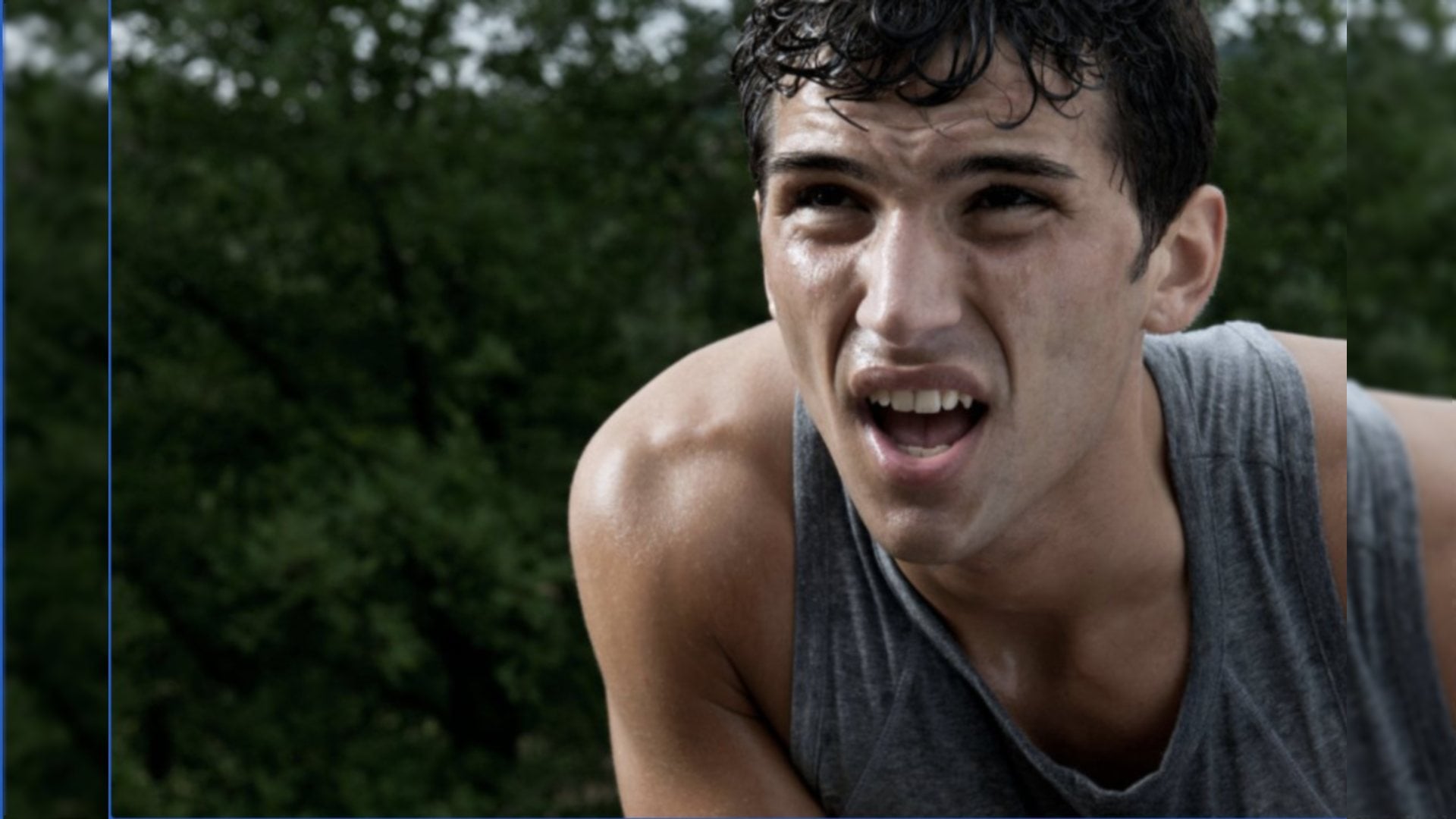

Did you know that the human body can lose up to 2 liters of sweat per hour during intense exercise in hot conditions? This natural cooling mechanism, while vital, poses significant challenges for anyone trying to maintain an active lifestyle when temperatures soar. Staying fit when the heat is on requires more than just determination—it demands smart strategies that protect your health, optimize performance, and keep motivation high.
Understanding the Impact of Heat on Exercise
Exercising in high temperatures places additional stress on the cardiovascular system. When the body overheats, blood flow is redirected toward the skin to dissipate heat, which can reduce the amount of oxygen-rich blood available to muscles. This shift can cause fatigue to set in faster and increase the risk of heat-related illnesses such as heat exhaustion or heat stroke.
Get The Latest News!
Don't miss our top stories and need-to-know news everyday in your inbox.
Research from the American College of Sports Medicine highlights that heat can impair physical performance by up to 30%, underscoring the importance of adapting your fitness routine to cope with these conditions.
Timing Is Everything: Optimize Your Workout Schedule
One of the simplest yet most effective ways to stay active in the heat is to adjust the timing of your workouts. Early mornings and late evenings typically offer cooler temperatures and less direct sunlight. For example, studies have shown that exercising before 9 a.m. can reduce core body temperature significantly compared to midday workouts.
If your schedule allows, plan outdoor activities like running, cycling, or hiking during these cooler hours. Not only will this help you avoid peak heat, but it can also improve your endurance and overall comfort.
Hydration: The Cornerstone of Heat Fitness
Proper hydration is critical when exercising in warm conditions. Dehydration can lead to dizziness, cramps, and diminished performance. According to the National Athletic Trainers’ Association, athletes should consume 17 to 20 ounces of water 2 to 3 hours before exercise and continue drinking 7 to 10 ounces every 10 to 20 minutes during activity.
Incorporating electrolyte-rich beverages can also help replenish lost minerals like sodium and potassium, which are essential for muscle function and fluid balance. Coconut water, sports drinks, or homemade electrolyte solutions can be beneficial, especially during workouts lasting longer than an hour.
Dress for Success: Clothing and Gear Choices
What you wear can make a substantial difference. Lightweight, loose-fitting, and moisture-wicking fabrics help sweat evaporate quickly, enhancing the body’s cooling process. Synthetic materials such as polyester or nylon blends are preferable over cotton, which tends to retain moisture and can increase discomfort.
Additionally, wearing a wide-brimmed hat and UV-protective sunglasses can shield you from harmful rays, while applying a broad-spectrum sunscreen prevents sunburn, which can impair your body’s ability to cool itself and reduce motivation to exercise outdoors.
Modify Your Exercise Intensity and Type
Heat demands an adjustment in how you approach physical activity. Lowering the intensity of your workout and incorporating more frequent breaks can prevent overheating. For instance, instead of running at your usual pace, try interval training with short walking periods to allow your body to cool down.
Consider swapping high-intensity outdoor workouts for lower-impact or indoor alternatives such as swimming, yoga, or using air-conditioned gym facilities. Swimming is particularly effective as the water supports the body and cools the skin simultaneously, reducing heat stress.
Listen to Your Body: Recognizing Signs of Heat Stress
Awareness is paramount. Symptoms such as excessive sweating, headache, nausea, rapid heartbeat, or muscle cramps should never be ignored. These signs indicate that your body is struggling to cope with heat, and continuing exercise under these conditions can be dangerous.
If you experience any of these symptoms, stop exercising immediately, move to a cooler environment, and hydrate. Knowing when to pause or adjust your activity is a crucial skill for maintaining long-term fitness without compromising safety.
Leverage Technology and Community Support
Wearable devices that monitor heart rate and body temperature can provide real-time feedback on your physical condition, helping you make informed decisions about pacing and hydration. Apps that track weather conditions can also alert you to high heat indices, encouraging you to reschedule or modify workouts accordingly.
Engaging with fitness communities, either online or in person, offers motivation and shared experiences. Group challenges or social accountability can help maintain consistency even when the heat makes exercising less appealing.
Maintaining an active lifestyle in hot conditions is a balancing act of preparation, awareness, and adaptation. By scheduling workouts during cooler periods, prioritizing hydration and appropriate clothing, adjusting exercise intensity, and listening closely to your body’s signals, you can safely and effectively pursue your fitness goals. Embracing these strategies empowers you not only to withstand the heat but to thrive in it, ensuring that your commitment to health remains unwavering no matter the temperature.