
Does your pin oak look like it’s breaking out in little bumps? Those odd, round growths are called twig galls, and they’re more than just a cosmetic nuisance. In spring, tiny gall wasps—no bigger than a grain of rice—lay their eggs just under the bark of new shoots. As each larva grows, your oak responds by building a hard, knobby shell around it. That shell is the gall. When the wasp finally matures, it chews its way out, leaving a telltale hole—and the cycle begins again on fresh twigs.
Get The Latest News!
Don't miss our top stories and need-to-know news everyday in your inbox.
Twig galls form because your tree is trying to protect itself. The chemical signals from the wasp egg trick the plant into redirecting nutrients and hormones to build the gall. Inside, the larva finds both food and shelter. While a few galls here and there won’t kill your tree, a heavy infestation can sap vital resources from young shoots. Over time, your oak’s new branches will be stunted, uneven, or even die back before they mature.
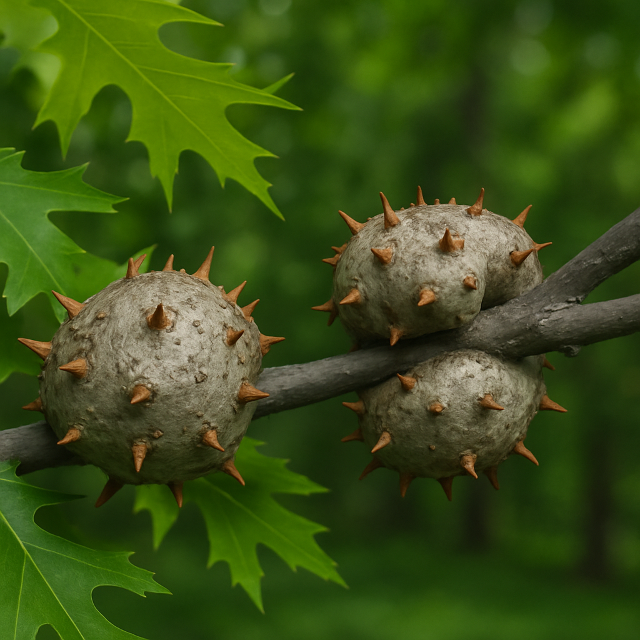
The damage goes beyond ugly bumps. Infested twigs often crack under wind or weight, creating entry points for disease and other pests. As your oak struggles to heal year after year, it becomes less able to endure drought, extreme cold, or infections like canker and root rot. In landscapes where pin oaks should cast deep shade and show off their stately form, galled branches leave gaps and a weakened canopy—changing the very character of your yard.
Trees Please understands pin oaks because we grow and care for oaks right here in Grafton, Illinois. We know when gall wasps are active, how to spot early signs of infestation, and why prompt action matters. Our licensed applicator, Steven C. Jones, uses proven Midwest methods to remove and protect your tree, stopping the gall cycle and letting healthy growth return. We guarantee our results—if galls come back, we’ll make it right, free of charge.
Don’t let tiny wasps ruin your oak’s beauty and strength. For fast, reliable gall removal and lasting protection, call Trees Please at (618) 581-4096.