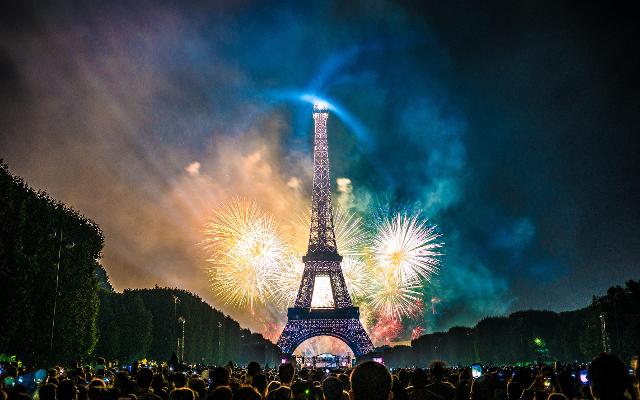
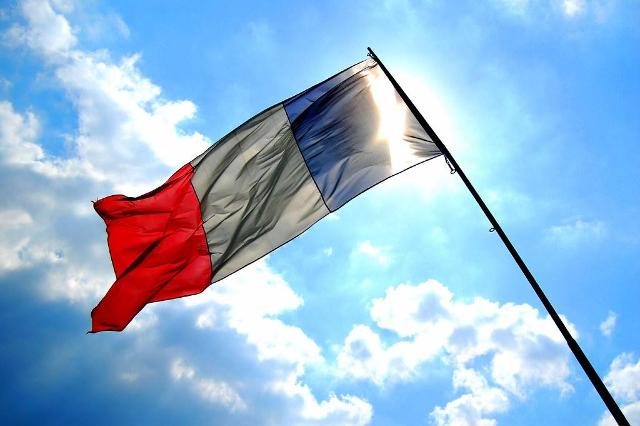
What does a medieval fortress, an iconic red, white, and blue flag, and a massive fireworks display have in common? They are all symbols intertwined with Bastille Day, a celebration that resonates far beyond the borders of France. More than just a national holiday, Bastille Day embodies the ideals of liberty, unity, and democratic change, making it a powerful cultural phenomenon with global relevance.
The Origins of Bastille Day: A Turning Point in History
Bastille Day, celebrated annually on July 14th, commemorates the storming of the Bastille prison in Paris on July 14, 1789. This event marked a critical turning point in the French Revolution, symbolizing the uprising of the common people against the monarchy and the oppressive ancien régime. Although the Bastille was a relatively small fortress holding only a handful of prisoners, its fall represented the collapse of royal authority and the birth of the modern French Republic.
Get The Latest News!
Don't miss our top stories and need-to-know news everyday in your inbox.
Historically, the Bastille was a symbol of tyranny and arbitrary justice. Its capture was both a practical and symbolic act that galvanized revolutionary fervor across France. The day was officially designated a national holiday in 1880, solidifying its place as a cornerstone of French national identity.
Bastille Day Traditions: A Blend of Patriotism and Festivity
Bastille Day is marked by a vibrant mix of military ceremony, public festivities, and cultural expressions that reflect the values of the French Republic. The most famous event is the military parade along the Champs-Élysées in Paris, one of the oldest and largest military parades in Europe. This display of national defense and pride underscores the themes of unity and strength that are central to the holiday.
In addition to the parade, cities across France host communal meals, concerts, and dances known as “bals des pompiers” (firemen’s balls), which invite communities to come together in celebration. Fireworks light up the night sky, symbolizing both joy and remembrance.
Internationally, Bastille Day is celebrated in French embassies and cultural centers worldwide, highlighting France’s global influence. In places like New York City and Sydney, communities gather for French-themed events, showcasing the holiday’s ability to transcend national boundaries.
Cultural Significance: Bastille Day as a Symbol of Democratic Ideals
Beyond the festivities, Bastille Day embodies profound cultural and political significance. It serves as a reminder of the power of the people to challenge oppression and demand equality. The French Revolution introduced concepts such as human rights, secular governance, and citizenship that continue to shape democratic societies around the world.
The tri-color flag of France—blue, white, and red—became a powerful emblem during the revolution and remains a symbol of liberty, equality, and fraternity. These values, enshrined in the French motto, are celebrated not only on Bastille Day but form the foundation of French national identity and influence democratic movements globally.
Moreover, Bastille Day encourages reflection on the ongoing struggle for justice and freedom. It invites citizens to consider their roles in society and the importance of civic engagement. In this way, the holiday is both a celebration and a call to action.
Bastille Day Beyond France: A Global Celebration of Freedom
While Bastille Day is distinctly French, its themes resonate universally. The holiday’s emphasis on liberty and popular sovereignty has inspired other nations and communities. For example, American celebrations sometimes draw parallels between Bastille Day and the U.S. Independence Day, highlighting shared revolutionary ideals.
French expatriates and Francophiles often organize Bastille Day events worldwide, ranging from French food festivals to art exhibitions, helping to promote cultural exchange and mutual understanding. These celebrations foster a sense of global community grounded in shared values of freedom and democracy.
Practical Insights for Experiencing Bastille Day
For those interested in experiencing Bastille Day, either in France or abroad, here are some practical tips:
- In Paris: Arrive early to secure a good viewing spot for the military parade on the Champs-Élysées. Afterward, explore local street fairs and enjoy traditional French cuisine at cafes and bistros.
- Fireworks: The fireworks display near the Eiffel Tower is iconic. Consider booking a river cruise on the Seine for a unique vantage point.
- Cultural Events: Check local listings for concerts, art shows, and communal dances—participation offers a deeper connection to French culture.
- Learn the History: Understanding the historical context enriches the experience. Consider visiting museums like the Musée Carnavalet or the Bastille Opera House to gain insight into the revolution’s impact.
- Celebrate Locally: If not in France, find a French cultural center or embassy event. Try cooking French recipes such as ratatouille or quiche Lorraine to bring a piece of Bastille Day home.
Reflecting on Bastille Day’s Enduring Legacy
Bastille Day is far more than a day of celebration; it is a living reminder of the enduring pursuit of liberty and justice. From its dramatic beginnings in 1789 to its vibrant modern-day observances, the holiday encapsulates the transformative power of collective action and the values that continue to inspire democratic societies worldwide.
Whether viewed through the lens of history, culture, or civic identity, Bastille Day invites all to reflect on the importance of freedom, the strength found in unity, and the ongoing quest for human rights. Its global resonance underscores the universal aspiration for a society where liberty, equality, and fraternity are not just ideals but realities worth celebrating every year.