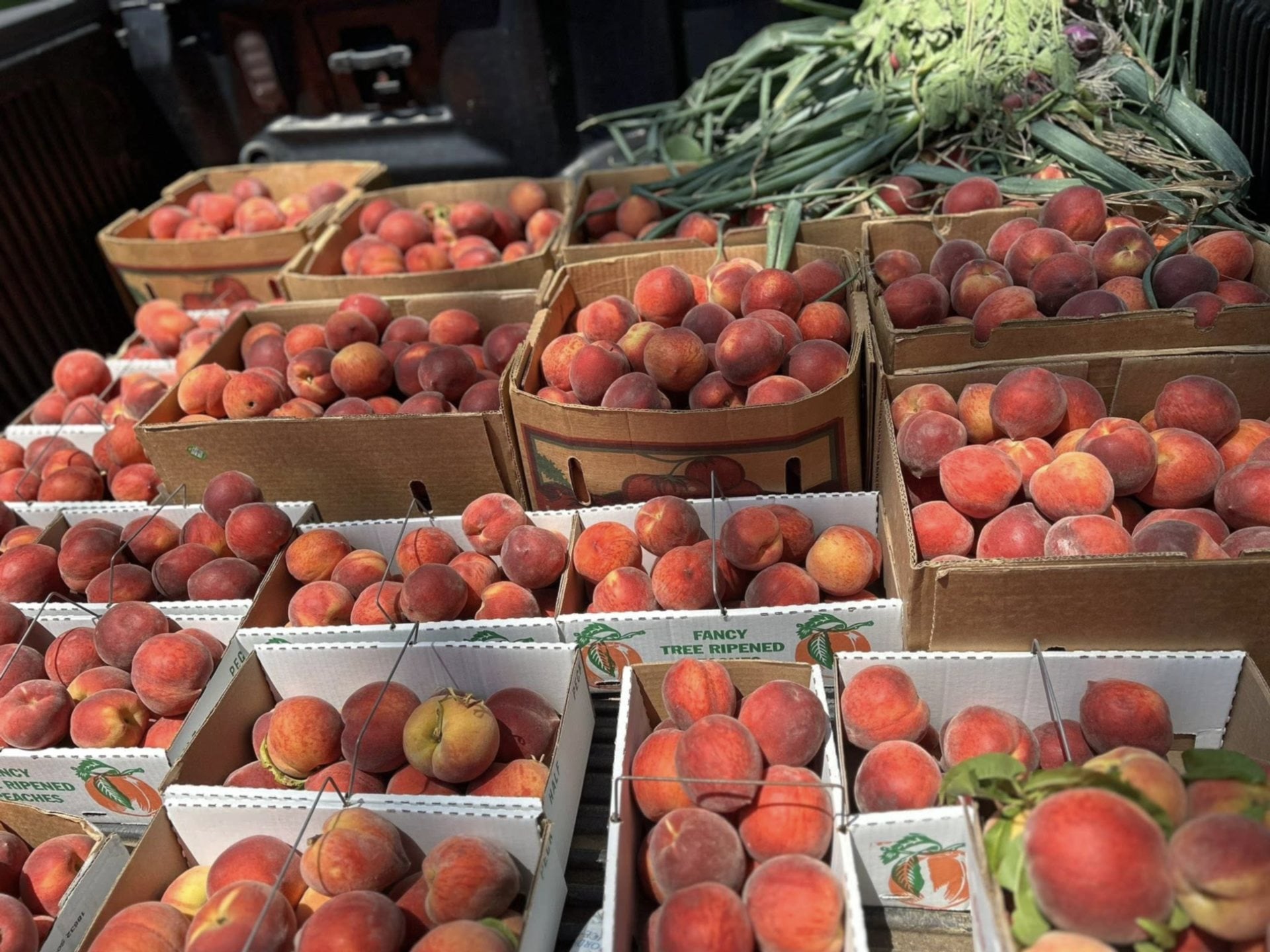

Did you know that nearly 40% of the food produced globally is wasted, yet millions struggle to access fresh, nutritious produce daily? This paradox highlights a disconnect between food production and consumption that many urban and suburban communities are beginning to address by turning to local farmers’ markets. These vibrant markets offer more than just fresh fruits and vegetables—they provide a direct link between consumers and the people who grow their food, fostering community, sustainability, and healthier eating habits.
The Rise of Farmers’ Markets: A Movement Toward Freshness and Transparency
Over the past two decades, farmers’ markets have experienced significant growth in popularity. According to the USDA, the number of farmers’ markets in the United States increased from around 1,755 in 1994 to over 8,700 in 2020. This surge reflects a broader consumer desire for transparency in food sourcing and a preference for fresh, minimally processed ingredients.
Get The Latest News!
Don't miss our top stories and need-to-know news everyday in your inbox.
Unlike conventional grocery stores, where produce may travel hundreds or thousands of miles before reaching shelves, farmers’ markets typically offer goods harvested within a day or two of sale. This proximity reduces the need for preservatives and packaging, resulting in fresher, more flavorful fruits and vegetables. For example, a tomato picked at peak ripeness and sold at a farmers’ market often has a richer taste and firmer texture than one harvested early for long-distance shipping.
Beyond Freshness: The Nutritional and Environmental Impact
Eating produce from farmers’ markets can have tangible health benefits. Studies have shown that fruits and vegetables lose nutrients over time, with vitamin C, folate, and antioxidants degrading during transport and storage. By purchasing locally grown produce, consumers can maximize nutrient intake, supporting overall wellness.
Moreover, local sourcing reduces carbon emissions associated with long transportation routes. Food miles—the distance food travels from farm to plate—are a significant contributor to greenhouse gas emissions. Farmers’ markets, by shortening these distances, help lower the environmental footprint of our diets. This is particularly important as consumers become more environmentally conscious and seek ways to reduce their impact.
Community Connection: More Than Just a Marketplace
Farmers’ markets provide a unique social experience that supermarkets and online shopping cannot replicate. They are spaces where customers can talk directly with farmers, ask questions about growing practices, and learn about seasonal produce. This interaction fosters trust and appreciation for the effort involved in food production.
Take the example of a family visiting their local market in Portland, Oregon. Over several years, they developed a relationship with a small organic farm specializing in heirloom carrots and kale. The farmers shared tips on cooking and storage, resulting in the family expanding their culinary repertoire and reducing food waste at home.
Additionally, many markets host educational events, cooking demonstrations, and workshops that promote healthy eating and sustainable living. These activities strengthen community bonds and encourage consumers to make informed food choices.
Navigating Farmers’ Markets: Practical Tips for First-Time Visitors
While farmers’ markets offer many benefits, newcomers may find the experience overwhelming or intimidating. Here are some practical tips to make the most of your visit:
Go Early or Late: Arriving early ensures the best selection, while visiting toward closing time may yield discounts as vendors look to sell remaining produce.
Bring Cash: Though many markets are increasingly accepting cards and mobile payments, some vendors still prefer cash, which can speed up transactions.
Ask Questions: Don’t hesitate to inquire about growing methods, pesticide use, and freshness. Vendors usually welcome engagement and can provide valuable insights.
Bring Your Own Bags: Markets often encourage reusable bags to minimize waste, so remember to pack your own.
Try Something New: Farmers’ markets often feature unique or heirloom varieties not found in supermarkets. Sampling new produce can diversify your diet and cooking.
Plan Ahead: Check the market’s schedule and vendor list online to know what produce will be available and when.
Supporting Local Economies and Sustainable Agriculture
Purchasing from farmers’ markets directly supports small-scale farmers and local economies. Unlike large agribusinesses, small farms often operate with sustainable practices that prioritize soil health, biodiversity, and minimal chemical inputs.
For example, a 2017 survey by the National Sustainable Agriculture Coalition found that farms selling directly to consumers through farmers’ markets tended to employ crop rotation, cover cropping, and organic pest management more frequently than conventional farms. Supporting these practices helps preserve farmland, protect ecosystems, and maintain food diversity.
Integrating Farmers’ Market Finds Into Your Routine
Incorporating fresh produce from farmers’ markets into your daily meals can be simple and rewarding. Consider these strategies:
Meal Planning: Base your weekly menus on what’s available at the market to ensure freshness and variety.
Preservation: Learn techniques like freezing, pickling, and fermenting to extend the life of seasonal produce.
Batch Cooking: Prepare large quantities of soups, stews, or sauces featuring market ingredients to save time and reduce waste.
Sharing: Coordinate with friends or neighbors to buy in bulk and split shares, especially for items sold in large quantities.
Embracing a Holistic Food Experience
Exploring local farmers’ markets offers more than access to fresh produce; it invites consumers to engage with the origins of their food and participate in a broader movement toward sustainability and community resilience. The sensory experience, educational opportunities, and direct connections with growers enrich our relationship with what we eat.
As more people discover the benefits of farmers’ markets, these venues continue to play a vital role in shaping healthier diets, supporting local economies, and fostering environmental stewardship. Whether you are a seasoned shopper or a first-time visitor, taking the time to explore your local market can transform how you think about food—from mere sustenance to a shared cultural and ecological journey.