
Did you know that heatstroke is one of the leading causes of death in pets during the warmer months, yet it is entirely preventable? Every year, thousands of dogs and cats suffer from heat-related illnesses, often due to simple oversights by their owners. Understanding the dangers of high temperatures and taking proactive steps can save your pet’s life. This article explores how to safeguard your furry companions from the risks posed by summer heat through practical and informed measures.
Understanding Heat Risks for Pets
Unlike humans, pets cannot regulate their body temperature as efficiently. Dogs, for example, primarily cool themselves by panting and through the pads of their feet, while cats rely mostly on grooming and seeking cool environments. When ambient temperatures rise, pets can quickly become overheated, leading to heat exhaustion or heatstroke, which can cause organ failure or death if untreated.
Get The Latest News!
Don't miss our top stories and need-to-know news everyday in your inbox.
Certain breeds, such as Bulldogs, Pugs, and Persian cats, are particularly vulnerable due to their short snouts, which make breathing and cooling more difficult. Additionally, older pets, puppies, and those with underlying health conditions face a higher risk.
Identifying the Signs of Heat Stress
Recognizing early symptoms of heat stress can be lifesaving. Common signs include:
- Excessive panting or difficulty breathing
- Drooling more than usual
- Lethargy or weakness
- Vomiting or diarrhea
- Bright red or pale gums
- Disorientation or collapse
If you notice these symptoms, immediate action is necessary. Move your pet to a cooler place, offer water, and contact a veterinarian promptly.
Practical Steps to Keep Pets Cool
Provide Ample Shade and Fresh Water
Pets left outdoors should always have access to shaded areas. Trees, awnings, or specially designed pet shelters can offer relief from direct sunlight. Fresh, cool water must be available at all times, as dehydration exacerbates heat risks.
Avoid Exercising During Peak Heat Hours
Early morning or late evening walks are preferable. Midday temperatures can soar, increasing the likelihood of paw pad burns from hot pavement and heatstroke. If you’re unsure, place the back of your hand on the ground for seven seconds; if it’s too hot for you, it’s too hot for your pet.
Never Leave Pets in Vehicles
Even with windows cracked, temperatures inside a parked car can rise rapidly, reaching deadly levels within minutes. Tragically, many pets succumb to heatstroke this way each year. If you see a pet left in a car on a hot day, notify authorities immediately.
Use Cooling Products
Cooling mats, vests, and bandanas soaked in cold water can help regulate your pet’s body temperature during outdoor activities. Spraying pets with water or providing a kiddie pool for splashing can also offer relief.
Grooming Considerations
While it might seem logical to shave pets to keep them cool, their fur also provides insulation against heat. Consult your veterinarian or groomer about the best grooming practices for your pet’s breed and coat type to optimize comfort and protection.
Home Environment Adjustments
Pets spend much of their time indoors during hot periods, so creating a cool, comfortable environment is vital.
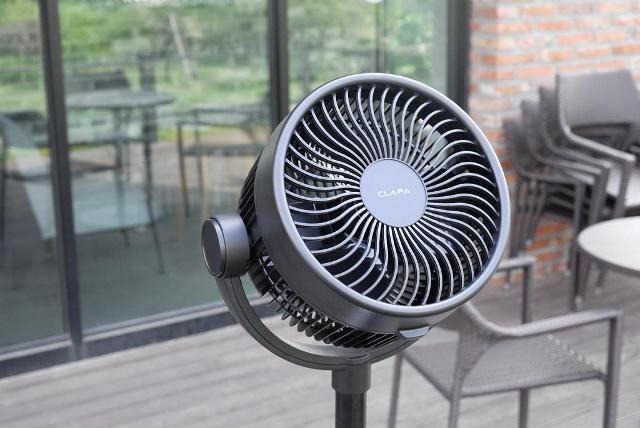
- Air Conditioning and Fans: Use air conditioning to maintain a safe indoor temperature. Fans can aid air circulation but are not substitutes for cooling.
- Cool Surfaces: Provide tiles or cooling mats where pets can lie down to dissipate heat.
- Limit Physical Activity: Encourage rest during the hottest parts of the day and avoid vigorous play that can raise body temperature.
Special Considerations for Outdoor and Working Animals
Pets that spend significant time outdoors or have working roles face unique challenges.
- Shelters: Ensure outdoor shelters are well-ventilated and insulated against heat.
- Hydration Stations: Place multiple water sources around the property.
- Monitoring: Check on outdoor pets frequently during heat waves.
- Adjust Workloads: Reduce physical tasks or training during extreme heat to prevent exhaustion.
Anecdote: A Lesson from a Heatwave
In 2018, a severe heatwave in the southwestern United States led to numerous cases of heatstroke among pets. One family’s Labrador retriever, Max, collapsed during a midday walk when temperatures climbed above 105°F. Thanks to quick thinking—carrying water, moving Max to shade, and rushing to a veterinarian—Max survived. This incident underscores the importance of vigilance and preparedness.
Final Thoughts
Protecting pets from heat involves awareness, preparation, and prompt response. By recognizing the signs of heat stress, providing access to shade and water, adjusting routines, and safeguarding indoor environments, pet owners can significantly reduce heat-related health risks. The responsibility to keep pets safe in hot conditions is ongoing, requiring attentiveness and care, but the reward is the well-being and longevity of our beloved companions.