This Day in Music History: Aug. 22 — Led Zeppelin’s Last Studio Album Reaches America
On Aug. 22, 1979, Led Zeppelin’s In Through the Out Door received its official U.S. release, bringing a seven-song record of surprising new colors from one of rock’s defining bands. It became the group’s eighth and final studio album. Its importance became clearer after drummer John Bonham died the following year and Led Zeppelin disbanded rather than continue without him. The album, led by songs including “In the Evening,” “Fool in the Rain” and “All My Love,” showed the group still willing to stretch its sound after more than a decade at rock’s summit.
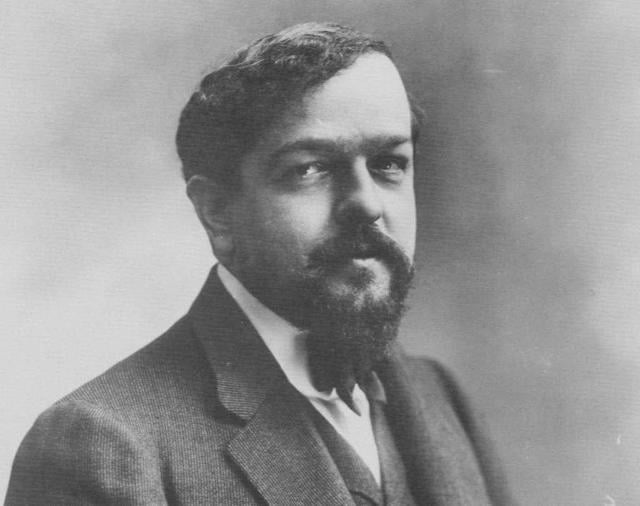
The musical story of Aug. 22 begins in 1862 with the birth of Claude Debussy in Saint-Germain-en-Laye, France. Debussy would become one of the most influential composers of the late 19th and early 20th centuries. Rather than relying mainly on the dramatic traditions that dominated much European concert music, he used delicate orchestral color, unusual scales and harmonies that seemed to drift and shimmer. Works such as Prélude à l’après-midi d’un faune, La Mer and Clair de Lune helped expand the sound world available to classical composers, and his ideas continue to be heard in film scoring, jazz and modern concert music.
Get The Latest News!
Don't miss our top stories and need-to-know news everyday in your inbox.
On Aug. 22, 1944, trumpeter Cootie Williams and his orchestra made the first recording of “’Round Midnight,” a composition closely associated with pianist Thelonious Monk. Williams had become famous through his work with Duke Ellington, but the session also preserved a striking new piece from the developing bebop era. The recording helped put a complex, shadowy jazz ballad into circulation before Monk made his own definitive recordings. Over time, “’Round Midnight” became one of jazz’s most frequently interpreted standards, inviting musicians to bring their own pacing, tone and improvisational voice to its melody.
Twenty years later, Motown reached a major turning point. On Aug. 22, 1964, the Supremes earned their first No. 1 on the Billboard Hot 100 with “Where Did Our Love Go.” Diana Ross, Mary Wilson and Florence Ballard had previously endured a run of singles that did not break through, even drawing the unkind nickname “the No-Hit Supremes” within Motown circles. The Holland-Dozier-Holland song changed that immediately. Its steady pulse, restrained vocal delivery and memorable call-and-response backing parts became a model of the label’s polished Detroit sound. It was also the first of five consecutive No. 1 singles for the group, beginning a run that made the Supremes Motown’s most successful act and international pop stars.
On Aug. 22, 1969, Santana released its self-titled debut album, introducing a wider record-buying public to the band’s forceful blend of electric blues, rock, Latin percussion and improvisation. The San Francisco group had gained national attention with its appearance at the Woodstock festival less than a week earlier. The album captured the band’s early lineup in performances that gave equal weight to Carlos Santana’s guitar and the rhythmic drive of its percussionists. “Evil Ways” later became a major hit, but the record’s broader achievement was to establish Latin rock as a powerful commercial and creative presence in the era’s mainstream rock culture.
Aug. 22, 1970, marked another important album-chart moment as Creedence Clearwater Revival began a nine-week run at No. 1 in the United States with Cosmo’s Factory. The title referred to the band’s demanding rehearsal space, named by drummer Doug “Cosmo” Clifford. The album reflected a period of exceptional productivity for CCR, mixing John Fogerty originals with sharply remade older material. Its tracks moved from the extended rocker “Ramble Tamble” to the soul classic “I Heard It Through the Grapevine,” while singles such as “Lookin’ Out My Back Door” and “Long as I Can See the Light” demonstrated the group’s range. The record remains a vivid example of a band uniting rock, roots music, R&B and country influences without losing its directness.
Led Zeppelin’s Aug. 22, 1979, release now stands as an unintended final chapter. Recorded at Polar Music Studios in Stockholm, Sweden, In Through the Out Door arrived after the group’s longest gap between studio albums. The record placed an especially noticeable emphasis on John Paul Jones’ keyboards and Robert Plant’s vocals, adding dance rhythms, synthesizers and a country-flavored detour to the heavy blues-rock vocabulary for which the band was known. It reached No. 1 in the United States and held the position for seven weeks. Because Bonham died in September 1980, the music also carries the weight of possibility: evidence of a band changing direction, with no chance to learn where that direction might have led.
Aug. 22 also became a day of remembrance in 2011, when songwriters Jerry Leiber and Nick Ashford died. Leiber, working with composer Mike Stoller, helped shape rock ’n’ roll and rhythm and blues through songs including “Hound Dog,” “Yakety Yak,” “Jailhouse Rock” and “Stand By Me.” Ashford, with wife and collaborator Valerie Simpson, created an essential Motown and soul catalog that included “Ain’t No Mountain High Enough,” “Ain’t Nothing Like the Real Thing” and “You’re All I Need to Get By.” Their separate partnerships wrote for very different voices and eras, but both showed the lasting power of songwriting: a strong lyric and melody can outlive a recording session, a chart run and even the generation that first heard it.