

Our Daily Show Interview! OSF: Jennifer Adcock, RN, BSN, CDCES
Get The Latest News!
Don't miss our top stories and need-to-know news everyday in your inbox.
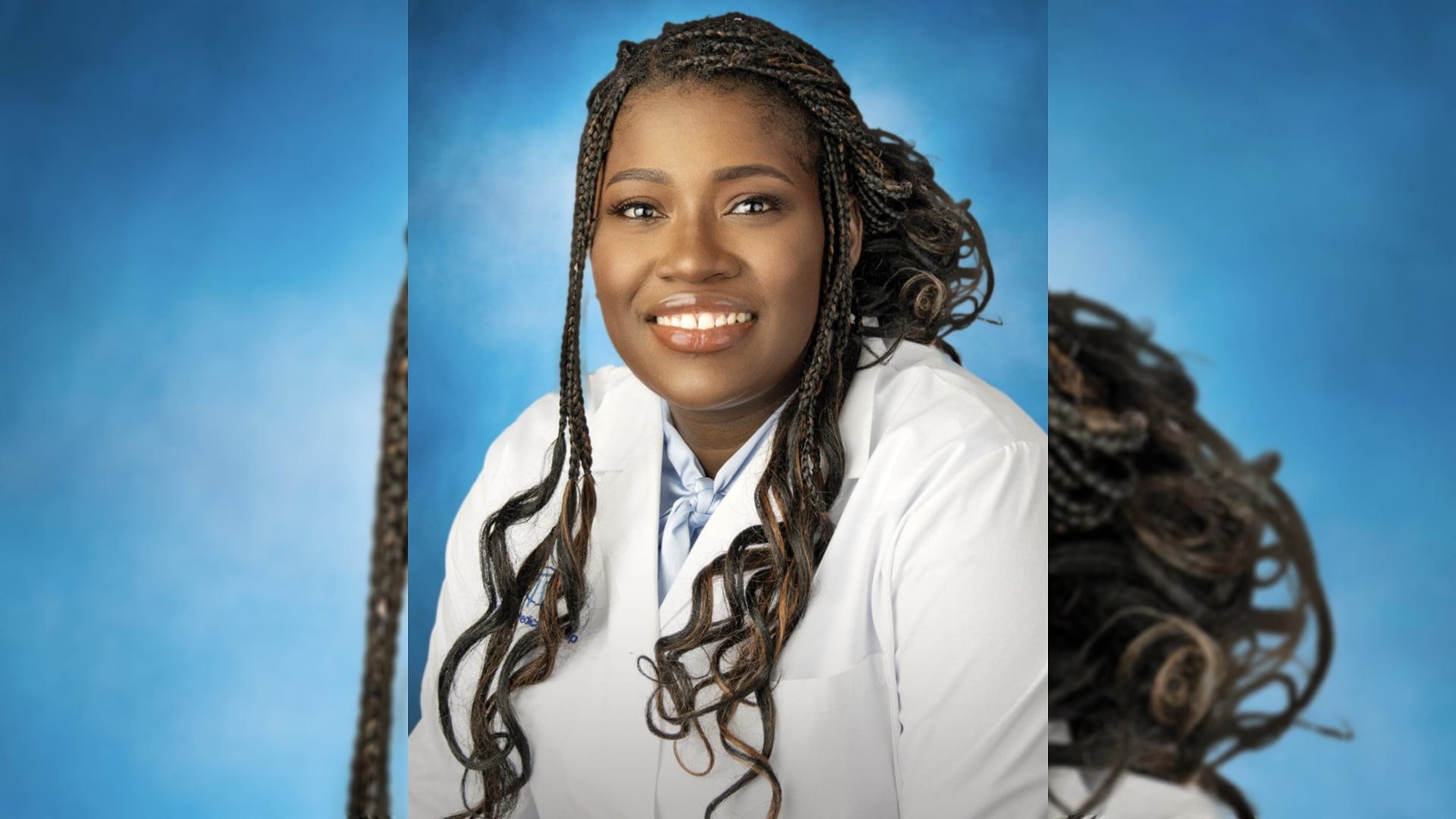
ALTON - As a certified diabetes care and education specialist (CDCES), Jennifer Adcock can help patients gain control of their diabetes.
Adcock, RN, BSN, CDCES, works with OSF Medical Group in the endocrinology department. She sees patients with diabetes every day, and they talk about how best to manage the condition. On a recent appearance on “Our Daily Show!” with C.J. Nasello, Adcock cleared up some common misconceptions about diabetes and shared what happens in an appointment with her.
“My primary role is to provide education and support to individuals with diabetes, and then I work closely with those patients to help them understand and manage their condition,” Adcock said. “Really, it’s just what that patient needs in particular.”
Adcock encourages patients to bring their supportive loved ones with them to appointments. She noted that in addition to helping patients manage their medications and blood sugars, she also assists with the “psychosocial part of that.”
Type One diabetes is an autoimmune disorder, where the immune system attacks pancreatic cells that produce insulin. People with Type One diabetes must take insulin to survive.
Type Two diabetes starts as a problem with your insulin production. Eventually, your pancreas can’t keep up with your needs.
Adcock shared that many people think that community members with Type Two diabetes are at fault for their condition. She stressed that this is not the case.
“That is kind of a common misconception, that a person ate themselves into diabetes. You can eat yourself into obesity, which is a contributing factor. But Type Two diabetes does have a very strong genetic component,” she explained. “If you get to the point to where you need insulin, that’s not a failure of the person. That’s just how the disease process can happen.”
Adcock added that changing your diet and exercise habits can help you manage your blood sugars, but you don’t have to completely cut out your favorite foods. She often helps patients come up with reasonable, attainable goals in their initial visit with her, and she noted that they can adjust these goals as needed.
“If you need a little snack cake, if you need just that little pick-me-up throughout the day, that is just fine. We can get that worked in,” she said, adding, “It is okay to not meet that goal. It can be changed. We can see why that didn't work for you, and we can make adjustments as needed.”
After the initial visit, where you and Adcock will discuss your medical history, medications and goals, you can see her “as many times as you feel you need to be seen” to learn more about managing diabetes and what might work for you.
She encourages people to see a CDCES like her at diagnosis, or if they experience a change in their diabetes status, begin taking insulin, or have never had diabetes education and feel like it could be helpful. Adcock emphasized that her goal is to make the management of a lifelong condition a little easier.
“It is something that you do not have to do alone,” she said. “I am grateful to be the help there for you. We can make your life easier, so come and see me.”
For more information about OSF Medical Group and their endocrinology department, visit their official webpage.