Did you know that tequila is one of the few alcoholic beverages with a designation of origin, meaning it can only be produced in specific regions of Mexico? This unique spirit not only carries centuries of cultural heritage but also inspires a dedicated day of celebration each year—National Tequila Day. Beyond its reputation as a party staple, tequila embodies a rich history and fascinating traditions that many may not realize. How did this iconic drink become a symbol of Mexican pride and international enjoyment? Let’s delve into the origins of National Tequila Day, uncover some intriguing facts, and discover how you can appreciate tequila in a meaningful way.
The Origins of National Tequila Day
National Tequila Day is observed annually on July 24th in the United States. Unlike many other food and drink holidays that have murky beginnings, this date was chosen to spotlight tequila’s cultural significance and growing popularity outside Mexico.
Get The Latest News!
Don't miss our top stories and need-to-know news everyday in your inbox.
Tequila itself dates back to the early 16th century, shortly after the Spanish conquest of the Aztec Empire. The indigenous peoples of the region had long fermented the blue agave plant to make a milky, mildly alcoholic beverage called pulque. The arrival of Spanish settlers brought distillation techniques, which were applied to agave to create what we now know as tequila.
The celebration of National Tequila Day emerged as tequila gained international acclaim, particularly in the U.S., where demand for authentic tequila soared through the late 20th and early 21st centuries. The day serves as both a nod to the drink’s Mexican roots and an opportunity for enthusiasts to enjoy tequila responsibly, explore its varieties, and recognize its craftsmanship.
Historical Milestones in Tequila’s Development
- 16th Century Beginnings: The first distillations of agave spirits likely occurred in the 1500s, with local producers refining the process over generations.
- 18th Century Commercialization: The first large-scale production of tequila began in the 1700s, with José Antonio de Cuervo receiving the first official license to produce tequila in 1758.
- 20th Century Regulation: In 1974, the Mexican government established a Denomination of Origin for tequila, limiting production to certain states including Jalisco, protecting its authenticity and quality.
- Modern Global Popularity: Tequila’s international reputation grew with the rise of premium and artisanal brands, along with the popularization of cocktails like the Margarita.
Fun Facts About Tequila and Its Celebration
- Not All Tequilas Are Created Equal: Authentic tequila must be made from at least 51% blue agave, though premium varieties are often 100% blue agave. Anything less is classified as a mixto.
- Aged to Perfection: Tequila is categorized into Blanco (unaged), Reposado (aged 2–12 months), Añejo (aged 1–3 years), and Extra Añejo (aged over 3 years), each offering distinct flavor profiles.
- Tequila and the Worm Myth: Contrary to popular belief, the worm is not found in tequila bottles but in mezcal, a related agave spirit. This misconception often surprises newcomers.
- The Agave Plant’s Long Growth Cycle: Blue agave plants take about 7 to 10 years to mature before they can be harvested, making tequila production a long-term commitment.
- National Tequila Day’s Popularity: Restaurants and bars across the U.S. host special events, tastings, and promotions annually on July 24th, reflecting tequila’s significant cultural and economic impact.
How to Celebrate National Tequila Day Responsibly
Whether you are a seasoned connoisseur or simply curious about tequila, National Tequila Day offers an excellent opportunity to broaden your understanding and enjoyment of this spirited drink.
- Explore Different Types: Try sampling different categories of tequila to appreciate the nuances in taste and aroma. Start with a smooth Blanco and compare it to an aged Añejo.
- Learn the Craft: Visit a local distillery if possible or watch documentaries about tequila production to gain insight into the artistry behind each bottle.
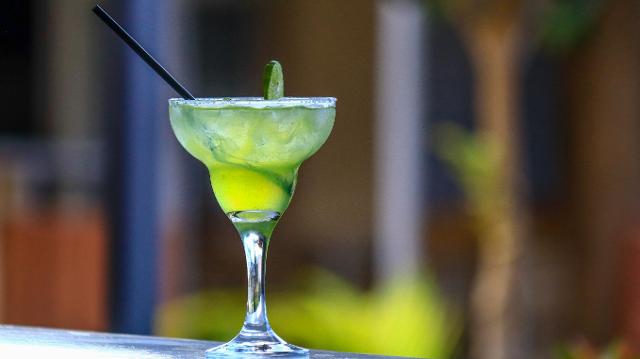
- Try Classic Cocktails: Beyond the Margarita, experiment with cocktails like the Tequila Sunrise, Paloma, or a simple tequila neat with a slice of lime and salt.
- Pair with Food: Tequila pairs well with traditional Mexican cuisine such as tacos, ceviche, or spicy salsas, enhancing the overall tasting experience.
- Drink Responsibly: Always enjoy tequila in moderation. Appreciate its complexity and cultural significance rather than using it solely for quick intoxication.
The Cultural Impact of Tequila Today
Tequila’s journey from a regional Mexican spirit to a global icon illustrates the power of tradition meeting innovation. It has influenced music, art, and even fashion, becoming a symbol of celebration, craftsmanship, and Mexican identity worldwide. National Tequila Day is more than just a reason to raise a glass; it’s a recognition of the heritage and dedication behind every bottle.
As you mark National Tequila Day this year, consider the centuries of history distilled into each sip. Whether you’re savoring a smooth Reposado or mixing up a refreshing Paloma, you are partaking in a legacy that connects cultures and generations. This day invites us to appreciate tequila not just for its flavor or festive spirit, but as a remarkable testament to tradition, patience, and the art of distillation.