
Did you know that Oktoberfest attracts over six million visitors annually, making it the world’s largest folk festival? But beyond the sea of frothy beer steins and traditional Bavarian garb lies a rich tapestry of history, cultural identity, and communal spirit. Oktoberfest is not merely a party; it is a living tradition that reflects the values and heritage of Bavaria while inviting the world to partake in its joyous customs.
The Origins and Cultural Roots of Oktoberfest
Oktoberfest began in 1810 as a royal wedding celebration in Munich, Bavaria, to honor the marriage of Crown Prince Ludwig and Princess Therese of Saxony-Hildburghausen. The citizens of Munich were invited to join the festivities, which included horse races and agricultural shows. The event was so popular that it evolved into an annual celebration.
Get The Latest News!
Don't miss our top stories and need-to-know news everyday in your inbox.
Over the years, Oktoberfest grew beyond its initial festivities, incorporating Bavarian music, dance, traditional clothing like lederhosen and dirndls, and, of course, the famous beer brewed in Munich’s breweries following the Reinheitsgebot (German Beer Purity Law). The festival serves as a showcase of Bavarian pride, emphasizing community, craftsmanship, and hospitality.
Symbolism and Traditions: More Than Meets the Eye
While beer is often the focal point for many, Oktoberfest’s cultural significance runs deeper. The festival symbolizes:
- Community and Togetherness: Families, friends, and strangers gather in large beer tents or open spaces, breaking social barriers and fostering camaraderie.
- Preservation of Heritage: Traditional music bands, folk dances, and costumes play a critical role in maintaining and celebrating Bavarian culture.
- Agricultural Celebration: Originally tied to harvest time and rural traditions, Oktoberfest still honors Bavaria’s agrarian roots with parades featuring horse-drawn beer wagons and farm animals.
One compelling example is the parade held on the first Sunday of Oktoberfest, which features thousands of participants in traditional dress, horse riders, and decorated floats. This event not only entertains but educates visitors about the region’s history and customs.
Global Influence and Adaptations
Although Oktoberfest is rooted in Bavaria, its influence has spread worldwide. Cities from Cincinnati to Sydney host their own Oktoberfest celebrations, adapting the core elements to fit local cultures. Cincinnati’s Oktoberfest Zinzinnati is the largest outside Germany, attracting half a million visitors annually, celebrating German heritage with its own unique flair.
These global adaptations highlight the festival’s universal appeal: the desire to celebrate heritage, enjoy good company, and partake in festive traditions. However, many international versions maintain respect for the original customs, including serving authentic German beers and encouraging traditional attire.
How to Celebrate Oktoberfest Respectfully and Enjoyably
Whether attending the original Munich festival or a local version, celebrating Oktoberfest can be a rich cultural experience if approached thoughtfully. Here are practical tips for participating:
Learn the History and Customs: Understanding Oktoberfest’s origins and meaning enhances appreciation. Watch documentaries, read about Bavarian culture, or attend pre-festival talks.
Dress the Part: Embracing traditional clothing like lederhosen for men and dirndls for women adds authenticity and respect for the culture. Many rental shops and stores offer these outfits worldwide.
Savor the Food and Drink: Traditional Bavarian foods—such as pretzels, sausages (bratwurst), roast chicken (hendl), and sauerkraut—complement the beer perfectly. Try to sample authentic Munich-brewed beers if possible, recognizing their adherence to the Reinheitsgebot.
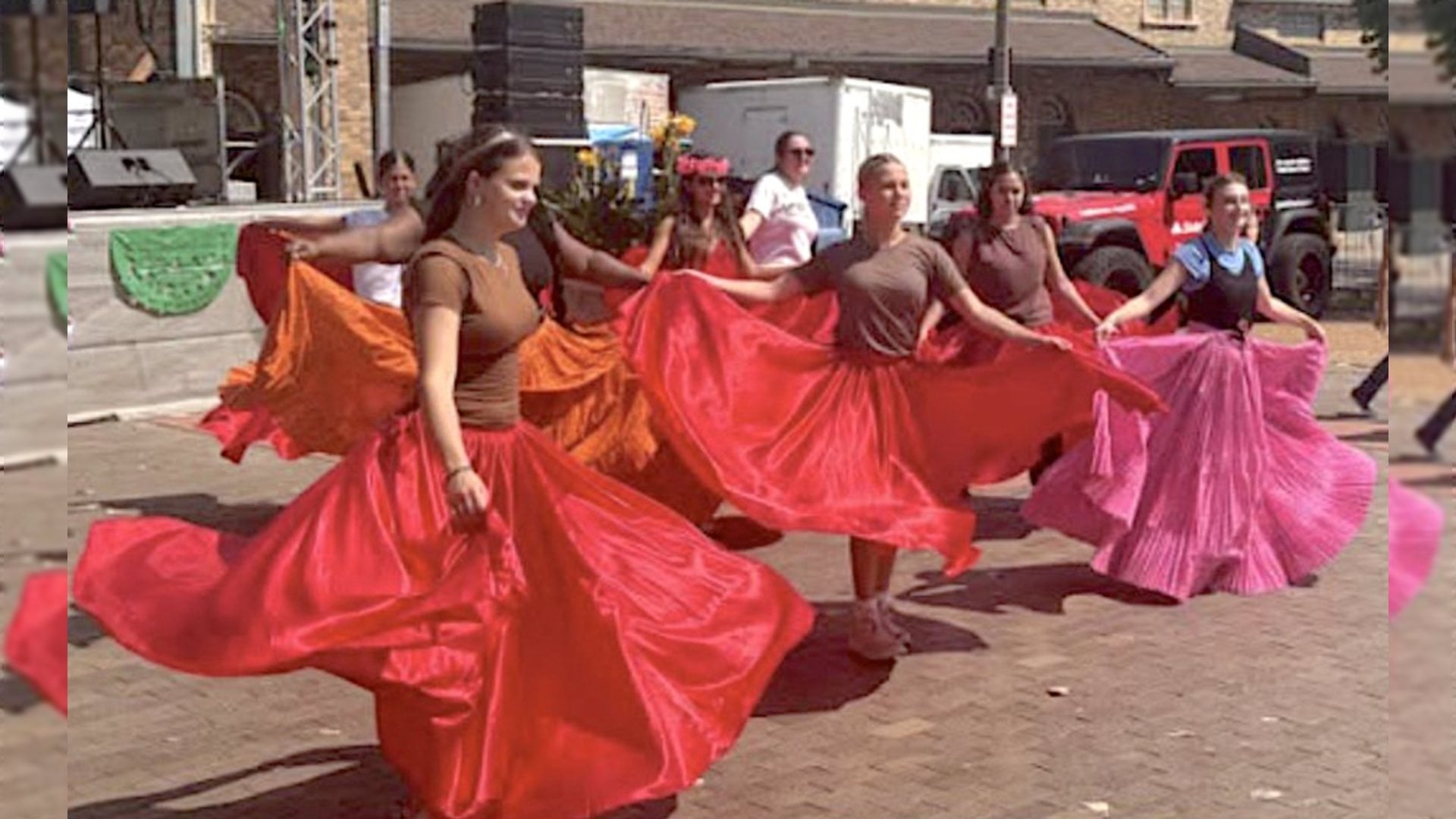
Engage with the Music and Dance: Participate in or observe traditional folk music and dances. Many festivals feature live brass bands playing oom-pah music, which is integral to the atmosphere.
Respect the Community Spirit: Oktoberfest is about more than drinking; it’s about social connection and cultural exchange. Engage politely with locals, follow festival rules, and avoid overindulgence.
Plan Ahead: Especially for the Munich Oktoberfest, accommodation and tickets can be scarce. Booking early and understanding the event’s schedule ensures a smoother experience.
Preserving Oktoberfest’s Spirit in a Modern World
In today’s fast-paced and globalized society, Oktoberfest stands as a reminder of the importance of cultural heritage and human connection. It bridges generations and nationalities, inviting everyone to celebrate tradition in a joyful, communal setting.
The festival’s ability to maintain its core identity while adapting globally speaks to the resilience of cultural practices when approached with respect. By participating in Oktoberfest mindfully, individuals contribute to the preservation of a tradition that has brought people together for over two centuries.
Oktoberfest is more than a festival; it is a cultural phenomenon that encapsulates history, community, and celebration. Whether in Munich or a neighboring city thousands of miles away, embracing its customs offers a meaningful way to connect with Bavarian culture and the universal joy of shared festivity.