
ALTON - Community members who own or wish to buy a historic property had the chance to learn about tax programs that might benefit them, with more educational workshops scheduled for the future.
Get The Latest News!
Don't miss our top stories and need-to-know news everyday in your inbox.
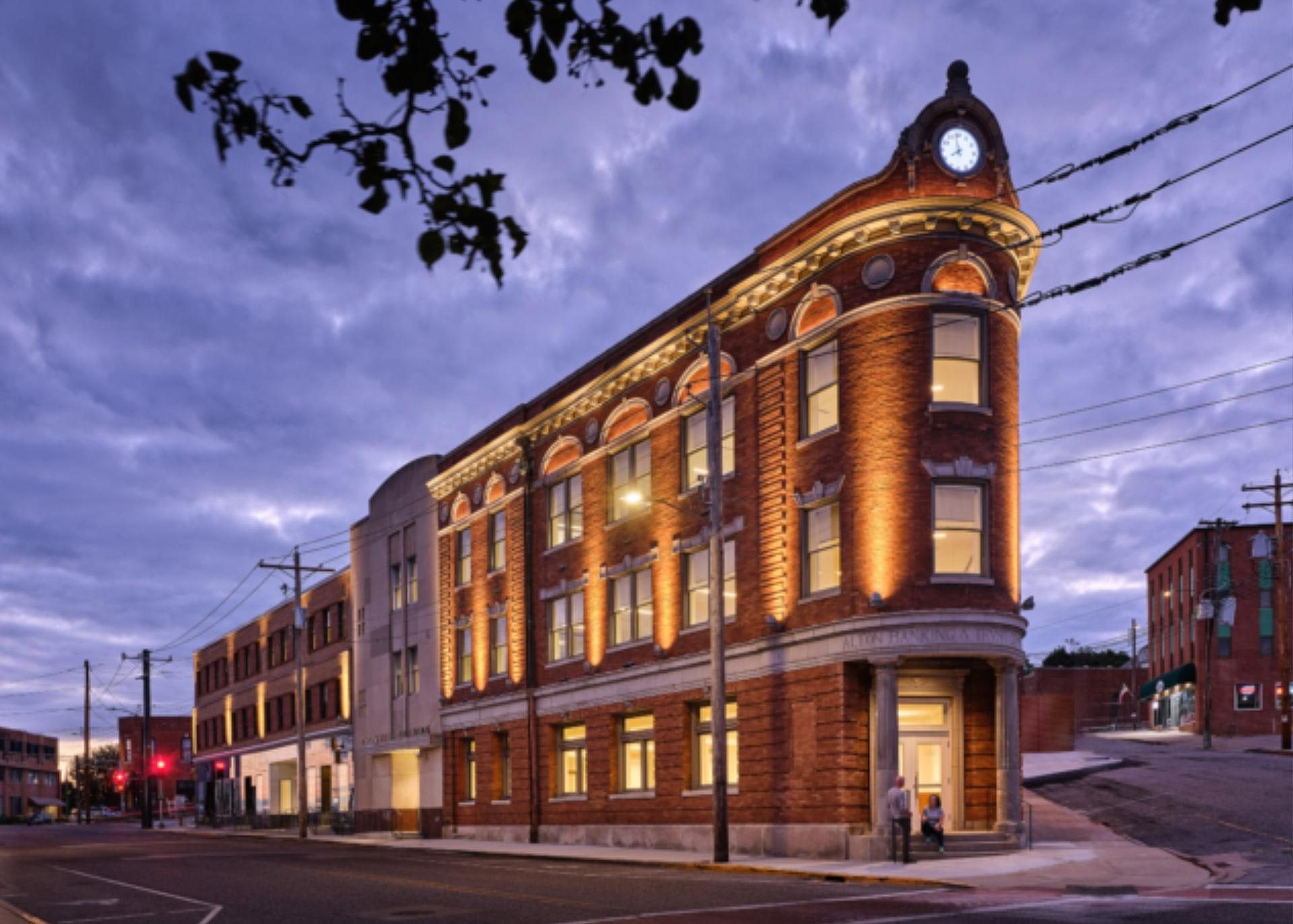
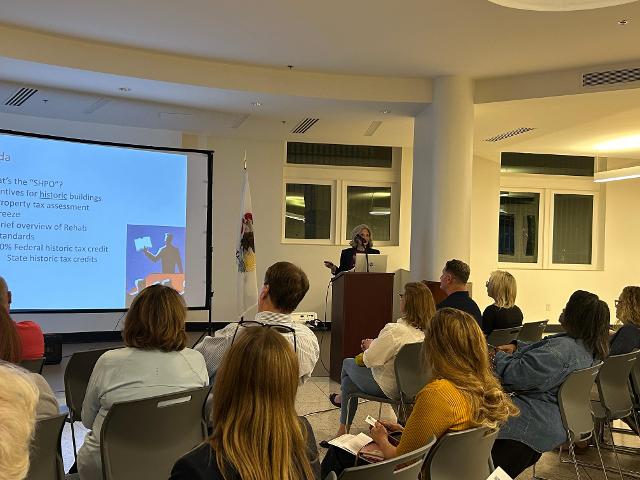
On Oct. 8, 2025, the Alton Historical Commission, Alton Area Landmarks Association, and Alton Main Street hosted a seminar at The Wedge Innovation Center. Attendees learned about the Property Tax Assessment Freeze Program and the Federal Historic Preservation Tax Credit Program through presentations by Anna Margaret Barris from the State Historic Preservation Office and Greg Caffey with the Planning and Development Office in the City of Alton.
“Saving our houses is saving our history,” said Sharon Jackson with the Alton Historical Commission. “The reason why this is so important is because we are a town of historic structures. Not just a bunch of old houses, but there's a significant diversity of architectural significance in Alton. When people come from out of town and from the surrounding areas, it is important not only for you to embrace them in the community, but to assist them as much as possible.”
Jackson and Doug Bader, chairperson of the Alton Historical Commission, explained that these programs allow people to save money when renovating historic properties.
The Property Tax Assessment Freeze Program freezes your property taxes for a 12-year period. If you buy a $100,000 house and put in $200,000 of renovations, Bader explained, your property taxes will typically triple. Through this program, the taxes are frozen for 12 years. Only owner-occupied properties are eligible.
The Federal Historic Preservation Tax Credit Program provides a 20% tax credit if property owners agree to renovate historic buildings “in accordance with historic rehabilitation standards,” Bader said. This is only available for income-producing properties, such as condominiums, businesses or warehouses.
Alton was also recently added to the River Edge Historic Tax Credit Program. The Department of Economic Development is currently creating a map to determine which income-producing properties are eligible. Eligible properties could receive up to 45% of the renovation costs in tax credits.
Caffey also spoke about incentives offered by the City of Alton, including tax increment financing and facade programs. Bader noted that it was appropriate to hold this meeting at the new Wedge Innovation Center, which utilized federal and state historic tax credits to be built.
“It’s really good in a historic town like ours for everybody to be well-aware of all the incentives that are available,” said Sara McGibany. “An empty building doesn’t have any life. It doesn't have any future. We need to get people and activity going on inside these buildings. That is really the larger mission of everything that we do.”
McGibany, executive director of Alton Main Street, added that the organization works hard to contribute to Alton’s economic development and historic preservation. She hopes the tax programs encourage more residents and investors to engage with Alton’s properties.
Bader also pointed out that Alton is filled with historic properties, and programs like this can make it easier for people to restore them. He hopes the Alton Historical Commission, the Alton Area Landmarks Association, and Alton Main Street can collaborate to offer additional seminars in the future.
“[These are] the tools that people can use that may give them some additional money to help renovate historic homes,” Bader added. “We have nearly 1,000 buildings in our historic district. There’s a lot of property out there, and there are a lot of buildings out there that still need a lot of TLC.”
For more information about the Alton Historical Commission, click here. To learn about the Alton Area Landmarks Association, visit AltonLandmarks.org. For more about Alton Main Street, check out DowntownAlton.com.