
August 7 has long been a date marked by events that have shaped the course of history across the globe.
Get The Latest News!
Don't miss our top stories and need-to-know news everyday in your inbox.
Perhaps the most impactful event tied to August 7 is the Battle of Khalkhin Gol in 1939, a decisive conflict between the Soviet Union and Japan. This fierce battle in the borderlands of Mongolia and Manchuria played a crucial role in shaping World War II's eastern front. The Soviet victory here effectively ended Japanese ambitions to expand northwards into Soviet territories, influencing Japan's strategic decisions to focus instead on the Pacific and Southeast Asia. This shift had far-reaching consequences for global geopolitics during the war and beyond.
Moving back in time, August 7, 1782, witnessed a remarkable moment in the abolitionist movement. The British Parliament passed the Dolben's Act, named after Sir William Dolben, marking the first legislation to regulate the conditions aboard slave ships. This act was a significant early attempt to address the horrific abuses of the transatlantic slave trade by limiting the number of enslaved people transported and improving their treatment. While far from ending slavery, it laid important groundwork for subsequent reforms and the eventual abolition of the trade.
August 7, 1942, is notable for the Guadalcanal Campaign during World War II. The United States launched its first major offensive against the Japanese Empire in the Pacific Theater by seizing the Japanese-held island of Guadalcanal in the Solomon Islands. This battle was pivotal in halting Japanese expansion and marked a turning point that eventually led to Allied victory in the Pacific. The campaign was grueling, involving intense jungle warfare and significant losses on both sides, but its success boosted Allied morale and strategic positioning.
August 7, 1964, stands out in modern history due to the Gulf of Tonkin Resolution passed by the United States Congress. This resolution granted President Lyndon B. Johnson broad authority to use military force in Vietnam without a formal declaration of war. It was a critical moment that escalated U.S. involvement in the Vietnam War, a conflict that would deeply impact American society and global politics for years to come. The resolution reflected Cold War tensions and the complexities of containing communism, illustrating the challenges of foreign policy during this turbulent era.
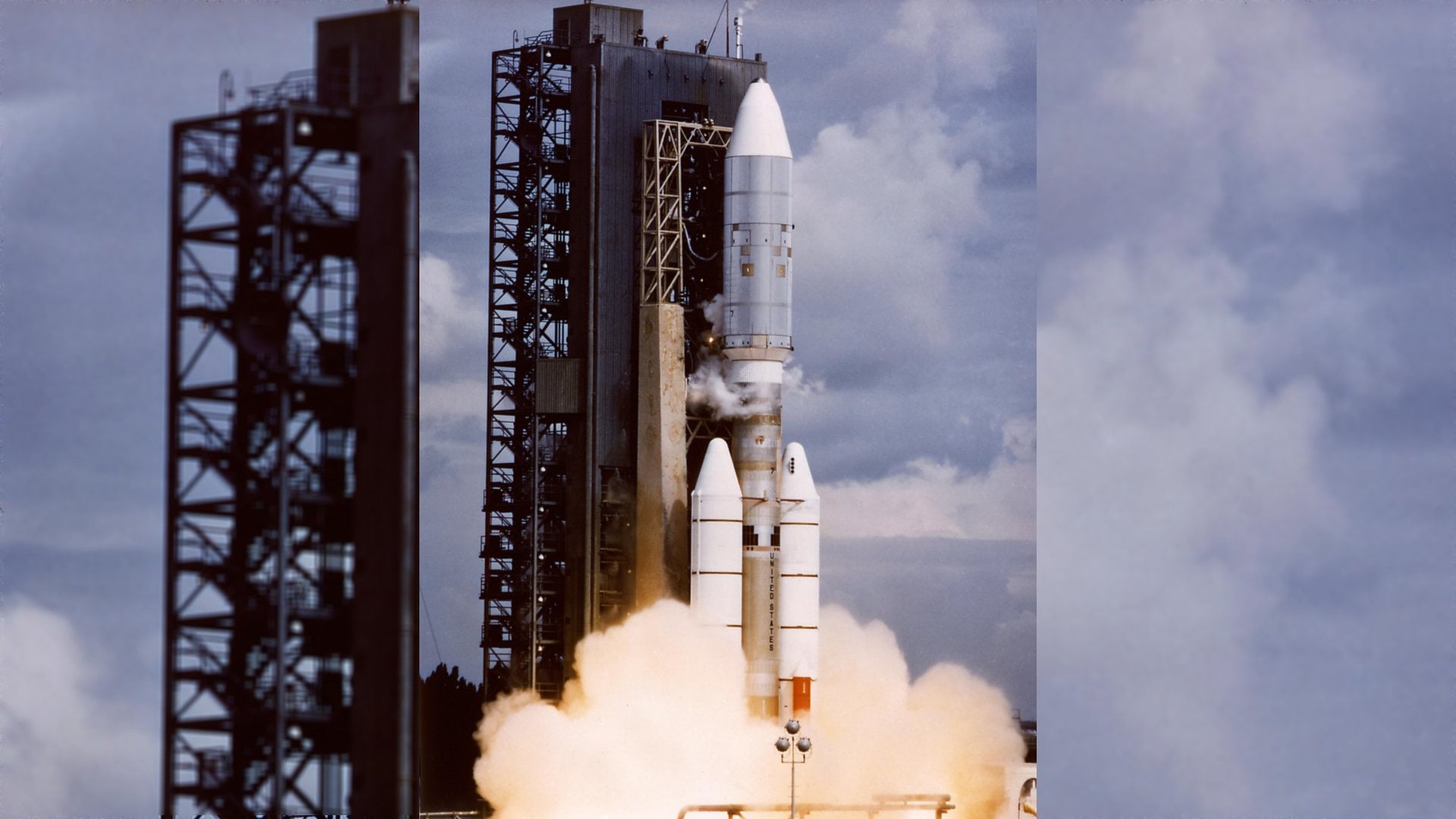
Science and technology enthusiasts will appreciate that on August 7, 2000, the International Space Station (ISS) welcomed its first resident crew, Expedition 1. This marked the beginning of continuous human habitation in space, a milestone in international cooperation and space exploration. The ISS has since served as a laboratory for scientific research, technological development, and a symbol of peaceful collaboration among nations including the United States, Russia, Japan, Europe, and Canada.
In the political sphere, August 7, 1969, witnessed the inauguration of the first democratically elected president of Costa Rica, José Figueres Ferrer, who was instrumental in abolishing the country's army and promoting social reforms that have contributed to Costa Rica's reputation as a stable and peaceful nation in Central America.
Looking further back, August 7, 1427, saw the Battle of Tachov during the Hussite Wars in Bohemia. This conflict was part of a broader religious and nationalistic struggle that influenced the Reformation and the political landscape of Central Europe. The Hussite victories in these battles demonstrated the power of emerging military technologies and tactics, such as the use of war wagons, and challenged the established Catholic Church's authority.
From ancient times to modern days, August 7 has been a date that encapsulates the complexities of human endeavor.