
Did you know that Veterans Day is the only federal holiday dedicated solely to honoring military veterans who are still living? Unlike Memorial Day, which commemorates those who died in service, Veterans Day celebrates the service and sacrifices of all U.S. military veterans. But how did this important day come to be, and why does it hold such a special place in American culture?
Origins Rooted in Armistice Day
Veterans Day traces its origins back to the end of World War I, a conflict often referred to as “the war to end all wars.” On November 11, 1918, at the eleventh hour, the armistice that ended hostilities on the Western Front took effect. This momentous event marked the cessation of fighting between the Allied nations and Germany, bringing a hard-fought peace after years of devastating conflict.
Get The Latest News!
Don't miss our top stories and need-to-know news everyday in your inbox.
In 1919, President Woodrow Wilson proclaimed November 11 as Armistice Day, a day set aside to honor the veterans of World War I and the sacrifices made to secure peace. The idea was to create a solemn occasion to remember those who fought and to cherish the hard-won peace.
From Armistice to Veterans Day: The Evolution
For many years, Armistice Day was primarily focused on World War I veterans. However, after World War II and the Korean War, the population of veterans expanded significantly. Recognizing the need to honor all American veterans, not just those from the First World War, lawmakers sought to broaden the holiday’s significance.
In 1954, President Dwight D. Eisenhower signed legislation officially changing the name from Armistice Day to Veterans Day. This change reflected a more inclusive approach, paying tribute to veterans of all wars and branches of the military. Since then, Veterans Day has been observed annually on November 11, regardless of the day of the week on which it falls.
Why Veterans Day Matters
Veterans Day is more than just a day off work or school; it serves as a powerful reminder of the sacrifices made by millions of Americans. According to the U.S. Department of Veterans Affairs, there are approximately 19 million veterans living in the United States today, each with unique stories of service and dedication.

The day offers an opportunity for citizens to express gratitude, recognize the courage and commitment of veterans, and educate younger generations about the realities of military service. From parades and ceremonies to educational programs and volunteer activities, communities across the country come together to honor those who have served.
Veterans Day vs. Memorial Day: Understanding the Difference
A common misconception is to confuse Veterans Day with Memorial Day. While both holidays honor military personnel, their focus differs significantly. Memorial Day, observed on the last Monday of May, is dedicated to remembering those who have died in military service. It is a solemn occasion marked by ceremonies at cemeteries and moments of reflection.
In contrast, Veterans Day honors all veterans, living or deceased, with an emphasis on thanking living veterans for their service. This distinction underscores the unique role Veterans Day plays in celebrating the ongoing contributions of military personnel to American society.
How Americans Observe Veterans Day
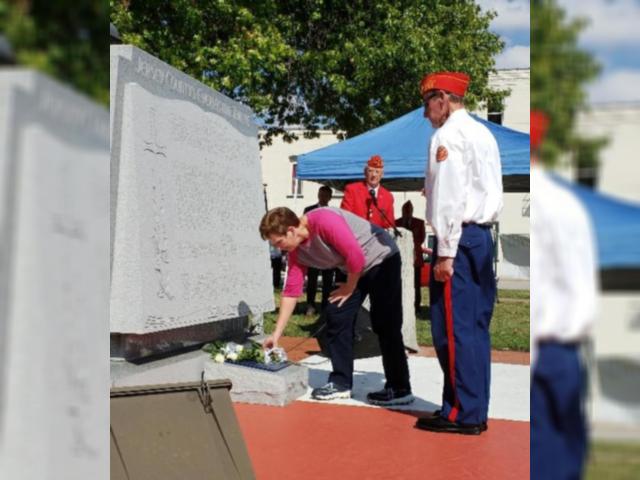
Across the nation, Veterans Day is marked by a variety of events and traditions. The National Veterans Day Ceremony held annually at Arlington National Cemetery is among the most prominent, featuring speeches by government leaders, the laying of wreaths, and military honors.
Many schools incorporate lessons about American military history, and some businesses offer discounts or free services to veterans as a token of appreciation. Additionally, volunteer opportunities abound, allowing individuals to support veterans’ organizations, assist in veteran care facilities, or participate in community outreach programs.
Practical Ways to Honor Veterans
For those looking to observe Veterans Day in a meaningful way, here are some actionable ideas:
- Attend Local Events: Participate in parades, ceremonies, or memorial services to show public support.
- Thank a Veteran: A simple “thank you for your service” can have a profound impact.
- Volunteer: Many organizations seek help supporting veterans through food drives, mentoring, or health care assistance.
- Educate Yourself and Others: Read veterans’ stories or watch documentaries to gain a deeper understanding of their experiences.
- Support Veteran-Owned Businesses: Patronizing these enterprises helps sustain veterans in their civilian lives.
- Advocate for Veteran Issues: Engage with policymakers or support legislation that benefits veterans’ health, education, and employment.
The Enduring Legacy of Veterans Day
Veterans Day stands as a testament to the resilience, bravery, and dedication of those who have served in the U.S. Armed Forces. It bridges generations, connecting the sacrifices of past conflicts to the ongoing commitment of today’s service members. By recognizing the significance of this day, Americans honor not only the history of military service but also the enduring values of duty, honor, and patriotism that define the nation.
In remembering the origins and meaning of Veterans Day, we are reminded that freedom and security come at a cost—and that honoring those who pay that cost enriches the fabric of American society. Whether through participation in public events or personal acts of gratitude, each gesture contributes to a collective acknowledgment that veterans deserve respect, recognition, and support every day of the year.