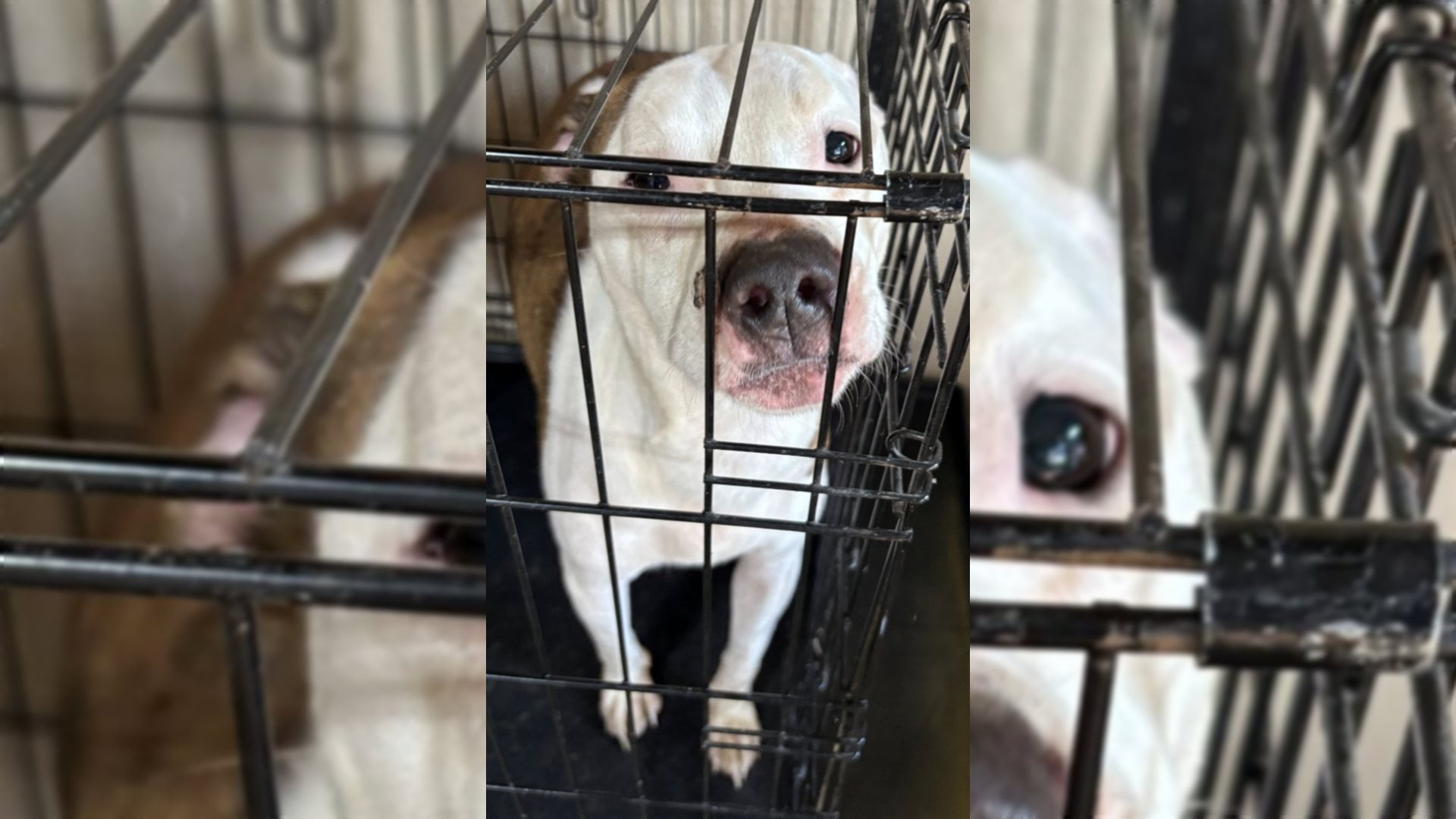

Did you know that approximately 70 billion land animals are raised and slaughtered for food globally each year? This staggering figure underscores the profound impact humans have on animal life and highlights why a day dedicated to recognizing and protecting animals holds such importance. World Animal Day serves as a powerful reminder of our responsibility toward the myriad creatures that share our planet, fostering awareness and inspiring action to improve their welfare.
Origins of World Animal Day
World Animal Day was first celebrated on March 24, 1925, in Florence, Italy, during a congress of ecologists. The initiative was spearheaded by Heinrich Zimmermann, a German writer and animal rights advocate who sought to create a universal day to honor animals and promote their welfare across cultural and national boundaries. Zimmermann’s vision was to unify animal lovers, conservationists, and the general public in a global movement emphasizing compassion and respect for all species.
Get The Latest News!
Don't miss our top stories and need-to-know news everyday in your inbox.
The date of October 4 was later adopted internationally to coincide with the feast day of St. Francis of Assisi, the patron saint of animals and ecology. St. Francis’s reputation for his profound love and respect for animals made this date symbolically significant. Since then, World Animal Day has grown into a worldwide event observed in over 100 countries, garnering support from individuals, organizations, and governments alike.
The Evolution of World Animal Day
Initially, World Animal Day focused on raising awareness about animal cruelty and promoting animal rights. Over the decades, its scope has expanded to include broader themes such as biodiversity conservation, endangered species protection, and sustainable coexistence between humans and animals. The day serves as a platform for education about animal welfare laws, wildlife preservation, and ethical treatment.
For example, campaigns on World Animal Day often highlight issues such as illegal wildlife trade, habitat destruction, and the plight of factory-farmed animals. In 2015, the event helped bring global attention to the devastating effects of deforestation on orangutan populations in Indonesia. Similarly, organizations use this day to advocate for legislative reforms, such as banning animal testing or improving conditions in shelters and zoos.
Why World Animal Day Matters Today
The significance of World Animal Day lies not only in its historical roots but also in its ongoing relevance amid contemporary challenges. Modern society faces complex ethical, environmental, and scientific questions related to animals, from climate change’s impact on habitats to debates over animal rights in research and entertainment.
Raising awareness through World Animal Day encourages a more informed and compassionate public. It promotes the idea that animal welfare is integral to human well-being and ecological health. For instance, protecting pollinators like bees is essential to global food security, while safeguarding marine animals helps maintain ocean ecosystems critical for climate regulation.
Moreover, the day inspires individual and collective action. Educational programs, adoption drives, habitat restoration projects, and fundraising events held worldwide contribute to tangible improvements in animal welfare. It also fosters empathy and respect, shaping societal attitudes that can lead to long-term change.
Practical Ways to Observe World Animal Day
Engaging with World Animal Day can be both meaningful and accessible. Here are practical ways individuals and communities can participate:
Educate Yourself and Others: Learn about local and global animal welfare issues. Share information on social media, host talks, or organize movie screenings featuring documentaries on wildlife and animal rights.
Support Animal Welfare Organizations: Donate to or volunteer with shelters, rescue groups, or conservation projects. Your time and resources can make a significant difference.
Adopt, Don’t Shop: Consider adopting pets from shelters instead of purchasing from breeders or pet stores. This helps reduce the number of animals in shelters and combats unethical breeding practices.
Advocate for Change: Write to policymakers supporting stronger animal protection laws. Engage in petitions or campaigns aimed at ending animal cruelty or preserving habitats.
Practice Compassion in Daily Life: Make choices that reflect respect for animals, such as opting for cruelty-free products, reducing meat consumption, or avoiding entertainment that exploits animals.
The Enduring Legacy of World Animal Day
World Animal Day stands as a beacon of hope and responsibility, reminding humanity of the intrinsic value of all animals. It bridges cultural divides and unites people under a common cause: to ensure that animals are treated with dignity and care. The day is not merely symbolic but a call to action that resonates through education, advocacy, and compassion.
In an era where human activity profoundly shapes the natural world, honoring World Animal Day means reaffirming our commitment to coexistence and stewardship. By embracing this ethos, individuals and societies contribute to a future where animals are protected, ecosystems thrive, and the bonds between humans and the animal kingdom are strengthened. The legacy of World Animal Day is a testament to the power of collective empathy and the enduring quest for a more humane world.