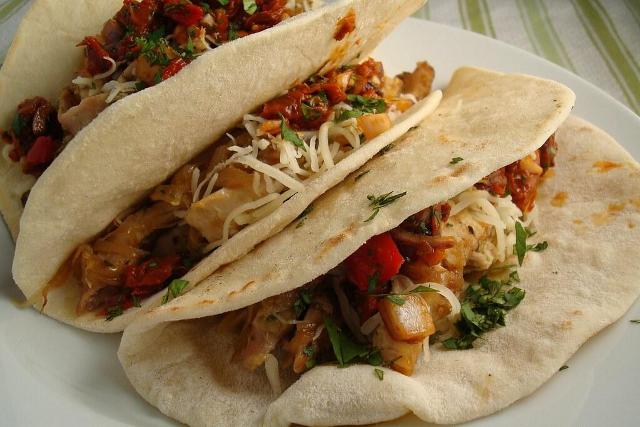
Did you know that Americans consume millions of fajitas every year, making this Tex-Mex favorite a staple across the country? Yet, few pause to consider the story behind the sizzling strips of grilled meat wrapped in warm tortillas or the significance of the day dedicated to celebrating this beloved dish. National Fajita Day, observed annually on August 18th, offers a perfect opportunity to explore the origins of fajitas and discover ways to honor this flavorful culinary tradition.
The Origins of the Fajita: From Ranch Hands to Restaurant Menus
The fajita’s story begins in the ranchlands of Texas during the mid-20th century. The term "fajita" derives from the Spanish word "faja," meaning “strip” or “belt,” referring to the cut of meat traditionally used—skirt steak, a relatively inexpensive and tough cut that ranch workers were often given as part of their pay. These workers devised a method to marinate and grill the meat, making it tender and flavorful. Wrapped in a tortilla and accompanied by grilled onions and peppers, the fajita became both a practical and delicious meal.
Get The Latest News!
Don't miss our top stories and need-to-know news everyday in your inbox.
It wasn’t until the 1970s that fajitas made their way from ranch hands’ plates to restaurant menus, largely credited to restaurateurs in Texas who recognized the dish’s potential appeal. One notable pioneer was Sonny Falcon, who began serving fajitas at his Austin-area restaurant, introducing the sizzling platter presentation that has become iconic. By the 1980s and 1990s, fajitas had gained widespread popularity across the United States, evolving to include chicken, shrimp, and vegetarian options.
Establishing National Fajita Day: Celebrating Culinary Heritage
National Fajita Day officially emerged as a way to appreciate and celebrate the dish’s cultural and culinary significance. While there is no formal government proclamation designating August 18th as National Fajita Day, the date has been embraced by food enthusiasts, restaurants, and marketers alike as a day to honor fajitas’ Tex-Mex roots and their global appeal.
The day serves not only to indulge in the dish but also to recognize the fusion of Mexican and American culinary traditions that fajitas represent. It highlights the innovation of Mexican-American communities and the broader impact of immigrant cuisines on American food culture.
How to Celebrate National Fajita Day: From Kitchen to Table
Whether you’re a seasoned cook or a casual foodie, National Fajita Day invites you to engage with this dish in creative and enjoyable ways. Here are some practical tips to help you celebrate:
1. Cook Your Own Fajitas
Preparing fajitas at home is both rewarding and customizable. Start with choosing your protein—classic skirt steak offers authenticity, but chicken, shrimp, or portobello mushrooms work well too. Marinate the meat or vegetables with a blend of lime juice, garlic, cumin, chili powder, and olive oil for at least an hour to infuse flavor.
Grill or sauté with sliced bell peppers and onions until tender and slightly caramelized. Warm your tortillas just before serving and assemble with fresh toppings like guacamole, salsa, sour cream, and shredded cheese. This hands-on approach not only makes for a delicious meal but also connects you with the dish’s rustic origins.
2. Dine Out at a Local Tex-Mex Restaurant
Many restaurants offer special promotions or themed menus on National Fajita Day. Visiting a local Tex-Mex eatery can expose you to regional variations and authentic preparations you might not easily replicate at home. It’s also a chance to support businesses that celebrate and preserve this culinary tradition.
3. Host a Fajita Party
Turn the day into a social event by hosting a fajita party. Provide a fajita bar with various proteins, vegetables, tortillas, and toppings, allowing guests to build their own fajitas. Include complementary sides such as Mexican rice, beans, and chips with salsa to round out the meal.
4. Explore Fajita-Inspired Recipes
Get creative by experimenting with fusion recipes that incorporate fajita flavors. Consider fajita tacos with unique tortillas, fajita salads, or even fajita-stuffed peppers. This approach honors the dish’s adaptability and encourages culinary exploration.
The Cultural Impact of Fajitas Beyond the Plate
Fajitas have transcended their humble beginnings to become a symbol of cultural blending and culinary innovation in America. Their popularity reflects broader trends in food culture, where diverse influences combine to create new traditions. National Fajita Day is more than a celebration of taste—it’s an acknowledgment of the social and historical narratives embedded in food.
The dish’s evolution—from ranch hands’ lunch to a nationwide favorite—illustrates how food can serve as a bridge between communities, preserving heritage while fostering creativity. Participating in National Fajita Day offers a chance to appreciate these layers of meaning and to connect with a shared culinary experience.
Bringing It All Together
National Fajita Day on August 18th invites food lovers to savor a dish rich in history and flavor. From its roots among Texas ranch workers to its status as a beloved Tex-Mex icon, the fajita embodies cultural heritage and culinary ingenuity. Whether by cooking at home, dining out, or hosting friends, celebrating this day provides an opportunity to enjoy delicious food while honoring the stories it carries. Next time you wrap a sizzling strip of grilled meat and peppers in a warm tortilla, you’re not just enjoying a meal—you’re partaking in a vibrant tradition that continues to evolve and inspire.