August 28th holds a special place in history, marked by events that have shaped societies, inspired movements, and changed the course of nations.
Get The Latest News!
Don't miss our top stories and need-to-know news everyday in your inbox.
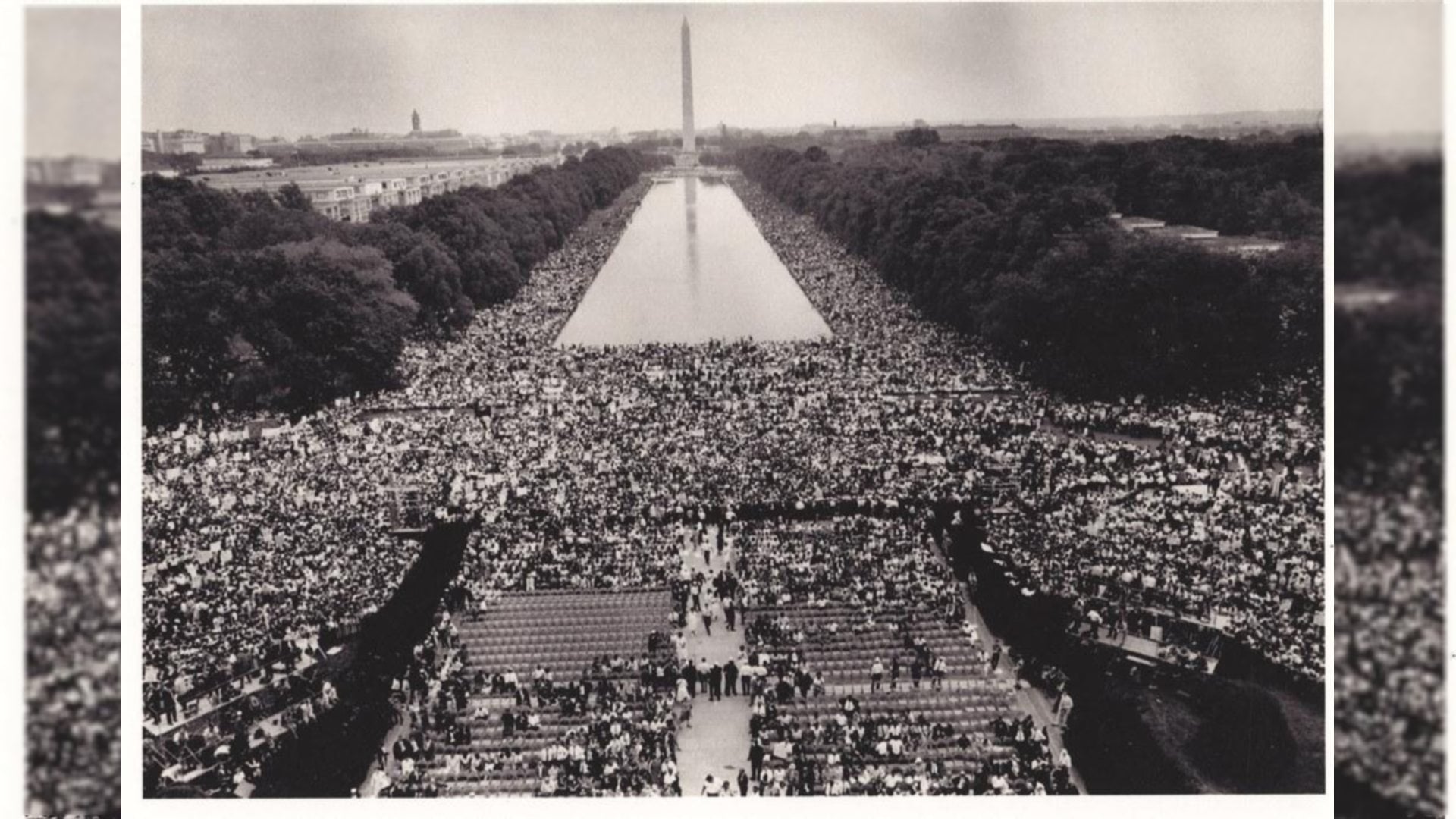
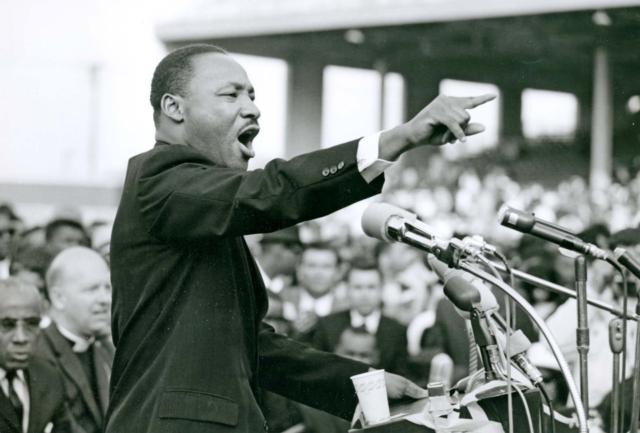
One of the most globally resonant events occurred in 1963 when over 200,000 Americans gathered in Washington, D.C., for the March on Washington for Jobs and Freedom. This monumental civil rights rally was a defining moment in the struggle for racial equality in the United States. It was here, at the Lincoln Memorial, that Dr. Martin Luther King Jr. delivered his legendary "I Have a Dream" speech. His words painted a vision of a future where people would be judged by the content of their character rather than the color of their skin. The march not only galvanized public opinion but also contributed to the eventual passage of the Civil Rights Act of 1964, a landmark law outlawing discrimination based on race, color, religion, sex, or national origin.
In the realm of exploration and innovation, August 28, 1930, saw the first publication of the British newspaper The Daily Telegraph’s special edition covering the British Empire Games, now known as the Commonwealth Games. This event highlighted the role of sports in fostering unity and friendly competition among nations historically connected through the British Empire, reflecting the evolving nature of international relations during the early 20th century.
On a cultural note, August 28, 1955, is remembered for the tragic death of Emmett Till, a 14-year-old African American boy whose brutal murder in Mississippi became a catalyst for the Civil Rights Movement. The public outrage sparked by his story brought international attention to the severity of racial violence and injustice in the United States, further fueling efforts to dismantle segregation and discrimination.
In science and technology, August 28, 2005, marked the launch of the Deep Impact space probe by NASA. This mission aimed to study the composition of a comet by sending an impactor to collide with it, providing valuable insights into the early solar system. The data gathered helped scientists understand the building blocks of planets and the origins of water and organic materials on Earth, enhancing our knowledge of the cosmos and our place within it.
August 28th also witnessed significant political developments. In 1996, the Taliban captured the Afghan capital, Kabul, marking a pivotal moment in Afghanistan’s modern history. Their takeover led to drastic changes in governance, law, and society, the effects of which are still evident and influential in contemporary global affairs. The event underscored the complexities of power, ideology, and international diplomacy in war-torn regions.
Beyond these headline events, August 28th has seen countless other moments worth remembering – from artistic premieres and literary milestones to advancements in human rights and environmental awareness. Together, they remind us that history is not a distant tale but a living narrative that continues to shape our world every day.