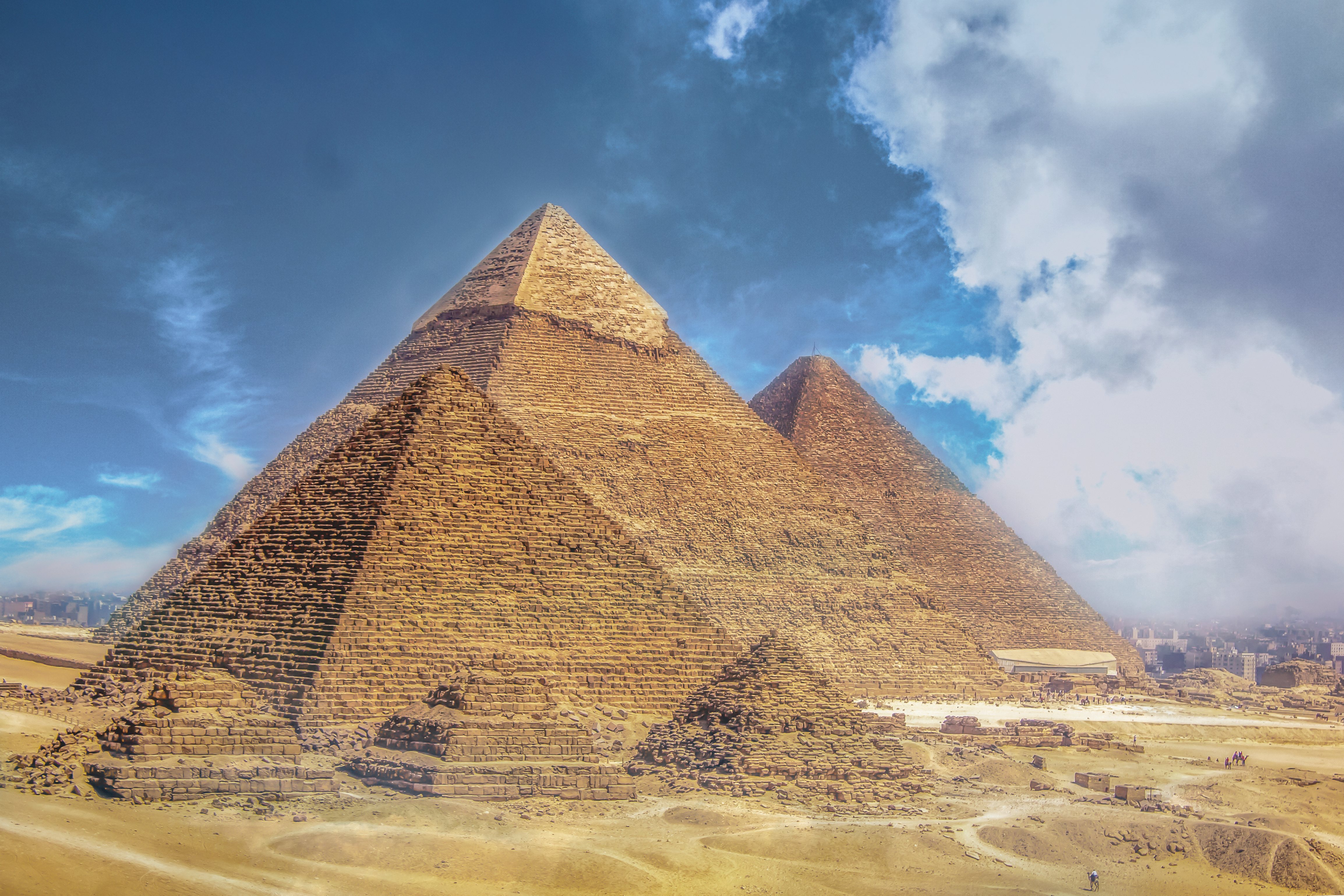

January 25th has witnessed numerous significant events throughout history that have had lasting impacts on societies across the globe.
Get The Latest News!
Don't miss our top stories and need-to-know news everyday in your inbox.
One of the most notable events on January 25th occurred in 1961, when President John F. Kennedy delivered his inaugural address, famously stating, 'Ask not what your country can do for you, ask what you can do for your country.' This speech came at a pivotal time during the Cold War, reflecting the urgency and hope of a nation facing numerous challenges. Kennedy's call to action inspired a generation to engage in public service and activism, shaping the political landscape in the United States and beyond.
Moving back to the year 1858, we remember the day when the first public demonstration of a telephone was held by inventor Alexander Graham Bell. Although Bell is often credited with the invention of the telephone, it was actually his demonstration that brought the concept to the forefront of public consciousness. This day marked the beginning of a revolution in communication, changing the way people connected across distances and laying the groundwork for the digital age we now inhabit.

Another landmark event took place on January 25, 1971, when the United States launched the first-ever satellite capable of detecting solar winds. Named the Explorer 43, this satellite significantly advanced our understanding of the Earth's atmosphere and its interactions with solar activity. The data collected by Explorer 43 has contributed to our knowledge of space weather, which affects everything from satellite communications to power grids on Earth.
Fast forward to January 25, 2011, when the Egyptian Revolution began in Cairo. This significant uprising was part of a broader wave of protests in the Arab world, known as the Arab Spring. Citizens took to the streets, demanding an end to the long-standing regime of President Hosni Mubarak. The revolution ultimately led to Mubarak's resignation and sparked a series of changes in governance across the region. This event was pivotal in reshaping the political landscape of the Middle East, highlighting the power of grassroots movements in effecting change.
In the realm of arts and culture, January 25th is also notable for the birth of famous figures. For instance, in 1882, the English writer Virginia Woolf was born. Woolf became a central figure in modernist literature, known for her novels such as 'Mrs. Dalloway' and 'To the Lighthouse.' Her innovative narrative techniques and exploration of the inner workings of her characters have influenced countless writers and continue to resonate with readers today.
As we reflect on these significant events that have taken place on January 25th, it's clear that this day has been marked by moments of inspiration, change, and reflection.