
July 25 has been a date marked by remarkable events that have shaped history.
Get The Latest News!
Don't miss our top stories and need-to-know news everyday in your inbox.
One of the most profound events occurred on July 25, 1610, when Galileo Galilei made a discovery that forever changed our understanding of the cosmos. Using his improved telescope, Galileo observed the four largest moons orbiting Jupiter—Io, Europa, Ganymede, and Callisto—now collectively known as the Galilean moons. This was revolutionary because it challenged the long-held geocentric view that Earth was the center of the universe. Galileo’s observations provided strong evidence that not all celestial bodies revolve around the Earth, paving the way for modern astronomy and altering humanity’s place in the cosmos.
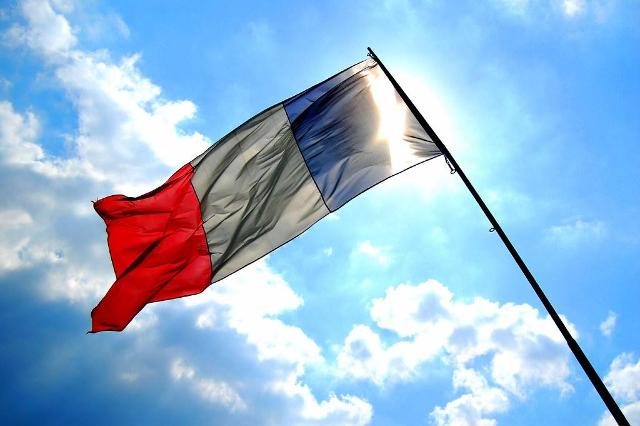
Fast forward to July 25, 1794, during the French Revolution, when the fall of the radical leader Maximilien Robespierre took place. Robespierre, a key architect of the Reign of Terror, was arrested and executed on this day, marking a turning point in the revolution. His death effectively ended the period of intense political purges and executions, leading to a more moderate phase in French history. This event exemplifies the volatility of revolutionary movements and the complexities of political power struggles.
In the mid-20th century, July 25, 1943, was marked by a significant political upheaval in Italy during World War II. Benito Mussolini, the fascist dictator, was deposed and arrested by order of King Victor Emmanuel III. This event signaled a major shift in the war’s European theatre, weakening the Axis powers and contributing to the eventual Allied victory. It also marked the beginning of Italy’s transition from dictatorship to democracy.
These events—spanning centuries and continents—illustrate how July 25 has been a date of discovery, transformation, and cultural evolution.