 This Day in Music History: September 23
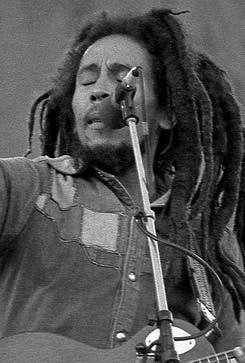
Bob Marley’s final concert, played Sept. 23, 1980, at Pittsburgh’s Stanley Theatre, stands as the day’s most consequential musical milestone. Marley and the Wailers were on the U.S. leg of the Uprising tour, carrying reggae’s language of spiritual conviction, social justice and communal resilience to a broad international audience. The Pittsburgh performance came at the end of a career that had transformed Jamaican music into a global force. Marley closed with “Get Up, Stand Up,” a fitting final public statement from an artist whose work joined irresistible rhythms to demands for dignity and change. He died less than eight months later, but the concert survives as a powerful document of an artist still commanding a stage at the height of his influence.
September 23 also marks the 1926 birth of John Coltrane, the saxophonist and composer whose restless imagination reshaped modern jazz. Born in Hamlet, North Carolina, Coltrane came of age in the swing and bebop eras, then forged an increasingly individual voice through his work with Miles Davis and Thelonious Monk and with his own groups. His recordings moved from the intricate chord progressions of “Giant Steps” to the modal sweep of “My Favorite Things,” the spiritual meditation of A Love Supreme and the searching intensity of his final years. Coltrane’s influence reaches far beyond jazz: generations of musicians have treated his discipline, sound and willingness to take risks as a model for artistic growth. In 2026, the 100th anniversary of his birth offers an especially timely reminder of how much music he made during his brief life.
Get The Latest News!
Don't miss our top stories and need-to-know news everyday in your inbox.
On Sept. 23, 1970, Santana released Abraxas, an album that expanded the group’s breakthrough sound into a confident blend of rock, blues, jazz, funk and Latin and African rhythms. Carlos Santana and his band had captured attention after Woodstock, but Abraxas showed that their success was more than a festival moment. The album included the band’s reworking of Fleetwood Mac’s “Black Magic Woman,” joined to “Gypsy Queen,” as well as Tito Puente’s “Oye Como Va.” Its mixture of electric guitar, organ, percussion and dance rhythms made musical fusion feel both ambitious and accessible. Abraxas spent six weeks at No. 1 on the Billboard album chart, demonstrating that a band rooted in San Francisco’s multicultural scene could reach a national mass audience without sanding away its identity.
Four years later, on Sept. 23, 1974, John Lennon released “Whatever Gets You Thru the Night” as the first single from Walls and Bridges. The lively track featured Elton John on piano and backing vocals, bringing a bright, loose energy to a Lennon recording made during a turbulent period in his personal life. The single became Lennon’s first solo No. 1 in the United States. Its success also led to a memorable promise being kept: Lennon had agreed to join Elton John onstage if the record reached the top. Their Thanksgiving-night appearance at Madison Square Garden became Lennon’s last major concert performance. The single therefore occupies a special place in his post-Beatles story, pairing commercial success with one of his last appearances before a live arena audience.

On Sept. 23, 1977, David Bowie released “Heroes” in the United Kingdom as the first single from the album of the same name. Recorded in Berlin with producer Tony Visconti and shaped by Brian Eno’s collaboration, the song placed a deeply human vocal at the center of an austere, dramatic sound world. Bowie later issued versions with vocals in German and French, reflecting the song’s connection to a divided Berlin. “Heroes” was not initially a major British chart hit, but its stature steadily grew. Its story of two people finding a moment of courage amid political and physical barriers became one of Bowie’s defining statements, and the recording remains a powerful example of how experimental production can serve an emotional, direct song.
Three years after Bowie’s single, Marley’s Pittsburgh performance brought Sept. 23 its most poignant concert milestone. The Stanley Theatre show followed the Wailers’ European run and two sold-out Madison Square Garden appearances. It was the final stop of Marley’s career, and its later official release, Live Forever: The Stanley Theatre, Pittsburgh, PA, September 23, 1980, preserved a set that included material from throughout his international rise. Marley had already helped establish reggae as a worldwide language, while songs such as “Exodus,” “No Woman, No Cry,” “Redemption Song” and “Get Up, Stand Up” connected personal faith, political reality and popular music. The final concert underscores the endurance of that legacy: Marley’s recordings continue to introduce listeners to reggae’s musical innovations and its insistence on justice and liberation.
Sept. 23, 1991, brought another important genre-crossing release when Primal Scream issued Screamadelica. The Scottish band had begun as a guitar-driven indie act, but this album absorbed acid house, dub, gospel, psychedelic rock and club culture into a new kind of rock record. Producer and DJ Andrew Weatherall was central to its transformation, particularly on the music’s beat-driven and atmospheric tracks. Songs such as “Movin’ on Up,” “Come Together” and “Higher Than the Sun” showed that a rock band could learn from dance floors and remix culture without simply copying either one. Screamadelica won the first Mercury Prize in 1992, a recognition of an album that helped make the boundaries between indie rock and electronic dance music far more porous.
Taken together, the events of Sept. 23 trace a wide arc in music history. Coltrane pushed jazz toward new forms of expression; Santana placed Latin-inflected rock at the top of the U.S. album chart; Lennon and Bowie made enduring records in periods of transition; Marley’s final performance sealed a global legacy; and Primal Scream found common ground between bands, DJs and ravers. The date illustrates how music advances not by one straight line, but through artists and communities willing to reshape the sounds around them.