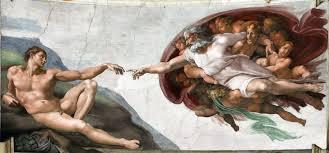
In 1512, the ceiling of the Sistine Chapel was exhibited to the public for the first time. Painted by Michelangelo, this masterpiece of Renaissance art took four years to complete and remains one of the most admired works in the history of Western art. The unveiling of the ceiling was a cultural milestone, showcasing extraordinary artistic innovation and religious symbolism that continues to inspire millions around the world.
Get The Latest News!
Don't miss our top stories and need-to-know news everyday in your inbox.
Moving forward to the 20th century, November 1, 1952, saw the United States conduct its first successful test of a hydrogen bomb, codenamed 'Ivy Mike,' at Enewetak Atoll in the Pacific Ocean. This event marked a pivotal moment in the Cold War arms race, demonstrating a significant leap in nuclear weapon technology and intensifying global tensions. The test had profound implications for international security and the future of warfare, prompting calls for arms control and non-proliferation efforts in the decades that followed.
On the same day in 1993, the Maastricht Treaty came into effect, officially establishing the European Union (EU). This treaty laid the foundation for political and economic integration among European countries, introducing a single currency, the euro, and enhancing cooperation in areas such as foreign policy and justice. The EU has since become a major actor on the world stage, influencing trade, diplomacy, and regional stability.
In the realm of science, November 1, 1755, was marked by the devastating Lisbon earthquake, one of the deadliest seismic events in history. The earthquake, followed by a tsunami and fires, destroyed much of Lisbon, Portugal, and caused widespread devastation. This catastrophe had a significant impact on European thought, influencing early studies in seismology and prompting philosophical debates about natural disasters and human suffering.
November 1 also holds cultural importance. For instance, it is celebrated as All Saints’ Day in many Christian traditions, honoring saints and martyrs. This day is observed with various customs worldwide, reflecting the rich tapestry of religious and cultural heritage.
In sports history, November 1, 2008, marked the opening of the Dubai Tennis Championships, which has since grown into one of the prominent annual events in the tennis calendar, attracting top players and fans globally.
November 2nd has also long been a date marked by pivotal moments that have shaped the course of history across the globe.
In the political arena, November 2nd, 1870, saw the successful election of the first African American to the U.S. Congress, Joseph Rainey. Representing South Carolina, Rainey’s election was a milestone during the Reconstruction era following the American Civil War. His presence in Congress symbolized a pivotal step toward racial equality and civil rights during a time when the nation was deeply divided. Rainey’s legislative efforts focused on advocating for the rights of freed slaves and fostering progress in education and economic opportunities for African Americans.
On the scientific front, November 2nd, 1963, was the day the first push-button telephone was introduced by Bell System in the United States. This innovation marked a significant leap forward in telecommunications technology, replacing the rotary dial and paving the way for modern telephone systems. The push-button phone made dialing faster and more efficient, eventually leading to the development of touch-tone dialing and the multifaceted communication devices we use today.
Meanwhile, on November 2nd, 1944, the Venezuelan city of San Juan de los Morros was officially founded. This city, located in the Guárico state, has grown to become an important cultural and economic hub in Venezuela, known for its unique landscape and vibrant traditions. The founding of San Juan de los Morros reflects the ongoing development and urbanization trends in Latin America during the 20th century.
In the world of sports, November 2nd, 1936, marked the first broadcast of a college football game on television in the United States. This event ushered in a new era where sports reached wider audiences, transforming how fans engage with games and how the sports industry evolves. Television broadcasting has since become integral to sports culture worldwide, making this day a notable milestone.
The next time you look at the calendar and see November 1st or 2nd, remember that these are not just another day — they are days filled with history’s echoes, inviting us to reflect on how far we’ve come and what stories still await us in the future.