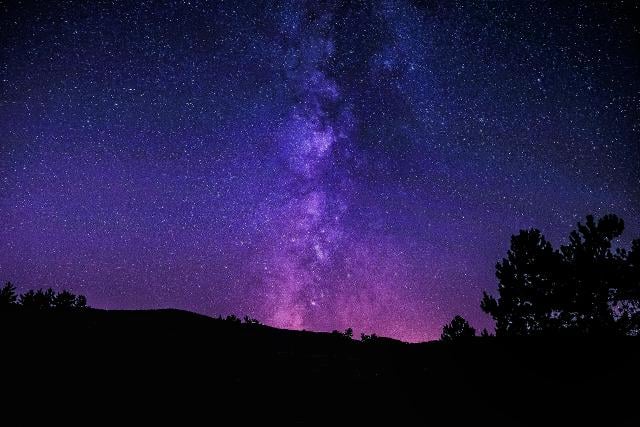
Did you know that nearly 80% of the world’s population lives under light-polluted skies, unable to see the Milky Way with the naked eye? This startling fact underscores just how precious truly dark skies have become. For those who crave the awe of celestial wonders, finding the right stargazing location is essential—especially on clear summer nights when the heavens are at their most vibrant.
Understanding What Makes a Great Stargazing Spot
Not all stargazing locations are created equal. Several factors contribute to the quality of the view and the overall experience:
- Darkness: Artificial light from cities and towns significantly diminishes the visibility of stars and planets. The darker the sky, the more celestial bodies are visible.
- Altitude: Higher elevations often have less atmospheric disturbance and clearer air, improving visibility.
- Weather: Clear skies with low humidity and minimal cloud cover enhance stargazing conditions.
- Accessibility: While remote locations offer the darkest skies, ease of access and available amenities can impact the overall experience.
By considering these factors, one can select spots that maximize the chance of an unforgettable night under the stars.
Iconic Stargazing Locations in the United States
The United States boasts some of the world’s premier stargazing sites, recognized for their commitment to preserving dark skies and offering spectacular views.
Get The Latest News!
Don't miss our top stories and need-to-know news everyday in your inbox.
Mauna Kea, Hawaii
Rising over 13,000 feet above sea level, Mauna Kea is renowned for its crystal-clear skies and minimal light pollution. Its summit hosts some of the world’s most advanced telescopes, and visitors can often glimpse the Milky Way in stunning detail. The combination of high altitude and stable atmosphere makes it a bucket-list destination for astronomy enthusiasts.
Big Bend National Park, Texas
Big Bend is designated an International Dark Sky Park, a testament to its pristine nighttime environment. Far from urban centers, this park offers panoramic views of stars, planets, and the occasional meteor shower against the backdrop of the Chihuahuan Desert. Summer nights here are perfect for spotting constellations like Scorpius and Sagittarius.
Cherry Springs State Park, Pennsylvania
One of the best stargazing spots on the East Coast, Cherry Springs State Park prides itself on exceptionally dark skies. The park hosts annual star parties and provides facilities such as observation decks and astronomy programs, making it ideal for amateur and experienced stargazers alike.
International Destinations for the Night Sky Enthusiast
For those willing to travel further, several global locations stand out for summer stargazing.
Atacama Desert, Chile
This arid desert is one of the driest places on Earth, offering consistently clear skies. Its altitude and lack of light pollution attract professional observatories and tourists alike. The Atacama’s summer skies reveal breathtaking views of the southern constellations and the Milky Way’s galactic center.
Namib Desert, Namibia
Known for its vast, unpopulated expanses, the Namib Desert offers some of the darkest night skies globally. The minimal atmospheric moisture and sparse clouds provide perfect conditions for viewing the Southern Cross and other southern hemisphere stars.
Jasper National Park, Canada
Designated a Dark Sky Preserve, Jasper offers stunning views of the northern skies. The park’s commitment to reducing light pollution and its location within the Rocky Mountains create ideal conditions for spotting phenomena such as the Milky Way, planets, and occasional northern lights during certain summer nights.
Tips for an Optimal Stargazing Experience
Even the best locations require some preparation to ensure a memorable night under the stars.
- Check the Moon Phase: A new moon or crescent moon phase provides the darkest skies. Avoid full moon nights when the moonlight overwhelms fainter stars.
- Bring the Right Gear: A reclining chair or blanket, warm clothing (summer nights can still be chilly), and binoculars or a telescope enhance comfort and viewing.
- Plan for Peak Viewing Times: The darkest skies typically occur between midnight and 4 a.m., but early evening can also be rewarding depending on the celestial events.
- Use Star Maps or Apps: Tools like Stellarium or Sky Guide help identify constellations, planets, and other celestial objects.
- Minimize Light Pollution: Avoid using bright flashlights or phone screens. Use red light if illumination is needed, as it preserves night vision.
Embracing the Night Sky’s Wonders
The allure of stargazing lies not only in observing distant stars but also in connecting with something vast and timeless. Whether on an isolated mountaintop or within a designated dark sky park, the right location can transform a casual glance upward into a profound experience. By choosing spots known for their darkness and clarity, and by preparing thoughtfully, anyone can unlock the secrets of the summer night sky and witness the cosmos in all its splendor.