
Why November Feels Reflective
You open your phone to delete a few photos and end up spending twenty minutes with a version of yourself from six months ago. A meal you barely remember. A friend you meant to call. A plan that quietly disappeared. What began as a small task becomes an unexpected question: Where has my attention been going?
November often gives that question room to surface. For many people, it sits between the momentum of everyday life and the pressure of a year approaching its end. Changes in light, public rituals of remembrance, family gatherings, and unfinished goals can all draw attention inward. No single cause explains the feeling. Several influences overlap, making reflection seem unusually close at hand.
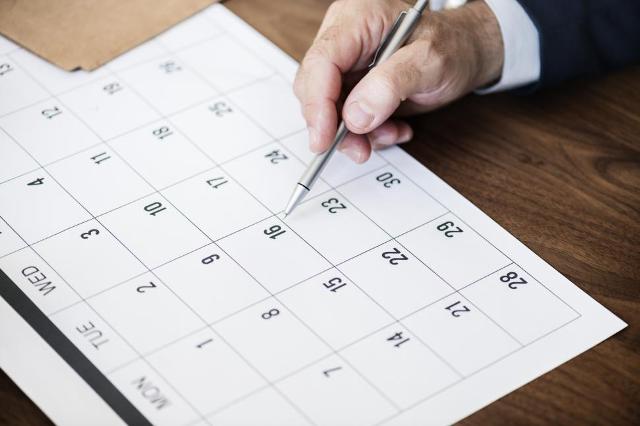
A Calendar Can Become a Mirror
A calendar does more than organize appointments. It gives us markers for judging change.
Get The Latest News!
Don't miss our top stories and need-to-know news everyday in your inbox.
Birthdays, anniversaries, school terms, and holidays divide life into chapters. As December approaches, the year begins to look less like an open stretch of possibility and more like something we can assess.
November occupies an interesting position. The year is far enough along to reveal patterns, but it is not quite over. There is still time to finish a project, repair a misunderstanding, or decide that an old goal no longer matters.
That can make ordinary moments feel like quiet evaluations. An unused gym membership becomes a reminder of January’s ambitions. A completed course shows progress that felt invisible while it was happening.
This mental accounting can be useful, but it can also be unfair. We tend to compare life with the plan we made, rather than with the circumstances we actually faced. Reflection becomes more honest when it includes both.
Less Light Can Change the Rhythm
In much of the Northern Hemisphere, November brings shorter days and longer evenings. That shift can affect sleep, energy, routines, and opportunities to spend time outside.
Light helps regulate the body’s internal clock. With less daylight, some people feel sleepier or find it harder to maintain their usual energy. A smaller number experience seasonal affective disorder, a form of depression that follows a seasonal pattern.
But a reflective mood is not the same as depression. Feeling thoughtful, nostalgic, or temporarily subdued can be part of ordinary emotional life.
There is also a practical explanation for the inward turn: routines change. An evening once spent walking, gardening, or meeting friends outdoors may move inside. A quieter room offers fewer distractions. Thoughts that stayed in the background can become easier to hear.
This is not a universal November experience. In the Southern Hemisphere, the month falls in spring. Near the equator, daylight varies less across the year. The idea of a dark, inward-looking November reflects particular climates and cultures, not a rule about human nature.
Remembrance Gives the Month Emotional Weight
November’s reflective character also comes from traditions that invite people to remember the dead and consider what remains.
In many Christian communities, All Saints’ Day on November 1 and All Souls’ Day on November 2 create space for honoring saints and remembering those who have died. Customs vary, but may include prayers, services, candles, and cemetery visits.
In Mexico and Mexican communities elsewhere, Día de los Muertos brings remembrance into homes and public spaces through offerings, photographs, flowers, food, and gatherings. It is not simply a “Mexican Halloween,” as it is sometimes described. Its traditions draw on Indigenous and Catholic influences, and remembrance can include affection, humor, and celebration alongside grief.
November 11 carries another set of meanings. Armistice Day recalls the end of fighting in World War I in 1918. Remembrance Day observances in several countries honor those who died in war, while Veterans Day in the United States honors military veterans.
These occasions give memory a public form. A moment of silence or a familiar photograph connects personal life with a longer story. Even people who do not formally observe these traditions may encounter their symbols and pause.
Gratitude Often Arrives Beside Grief
Family gatherings can make November emotionally complicated.
Thanksgiving in the United States encourages gratitude, though the holiday also carries a difficult colonial history and is observed as a National Day of Mourning by some Indigenous people and supporters.
At a personal level, a gathering may hold several feelings at once. Someone is pleased to see relatives but exhausted by travel. Another person feels thankful for a new child while missing a parent who has died.
The phrase “count your blessings” can offer perspective. It becomes less helpful when it suggests that gratitude should cancel sadness.
Reflection allows room for both. Appreciating what is present can sharpen awareness of what is absent. An empty chair may be especially noticeable because the table around it is full.
Nostalgia Makes the Past Feel Close
Certain tastes, smells, songs, and routines become powerful reminders because we encounter them repeatedly in meaningful settings.
A family recipe can recall a childhood kitchen. A song played during an annual gathering may bring back a particular relationship. These cues do not retrieve a perfect recording of the past. Memory is selective, shaped partly by what matters to us now.
That helps explain nostalgia’s mixed character. It can offer comfort and a sense of belonging while also making change feel painful.
Social media adds a modern layer. A “memories” notification can place an old friendship or former home in front of us without warning. November may already contain familiar rituals; digital reminders add more comparisons between then and now.
The useful question is not always, “Was life better?” It may be, “What did that part of my life give me that I need more of now?”
Making Reflection Useful
Reflection is most helpful when it leads to understanding rather than repeated self-criticism. A few small practices can keep it grounded:
- Ask a narrower question. Instead of “What have I done with this year?” try “What became easier?” or “What took more effort than I expected?”
- Notice what supported you. Include people, routines, and small pleasures—not just achievements.
- Give remembrance a form. Cook a familiar recipe, write down a story, visit a meaningful place, or contact someone who shares the memory.
- Choose one next step. Send the message, book the appointment, or set aside an hour for something important.
It also helps to recognize when reflection has become rumination: circling the same painful thoughts without gaining perspective. If low mood persists, disrupts daily life, or comes with hopelessness, seek support from a health professional.
November does not make everyone reflective, and it does not carry the same meaning everywhere. But it can bring memory, change, gratitude, and unfinished business into the same frame. Its value is not that it demands a verdict on the year. It offers a chance to look more carefully at the life you are already living—and to decide what deserves your attention next.